
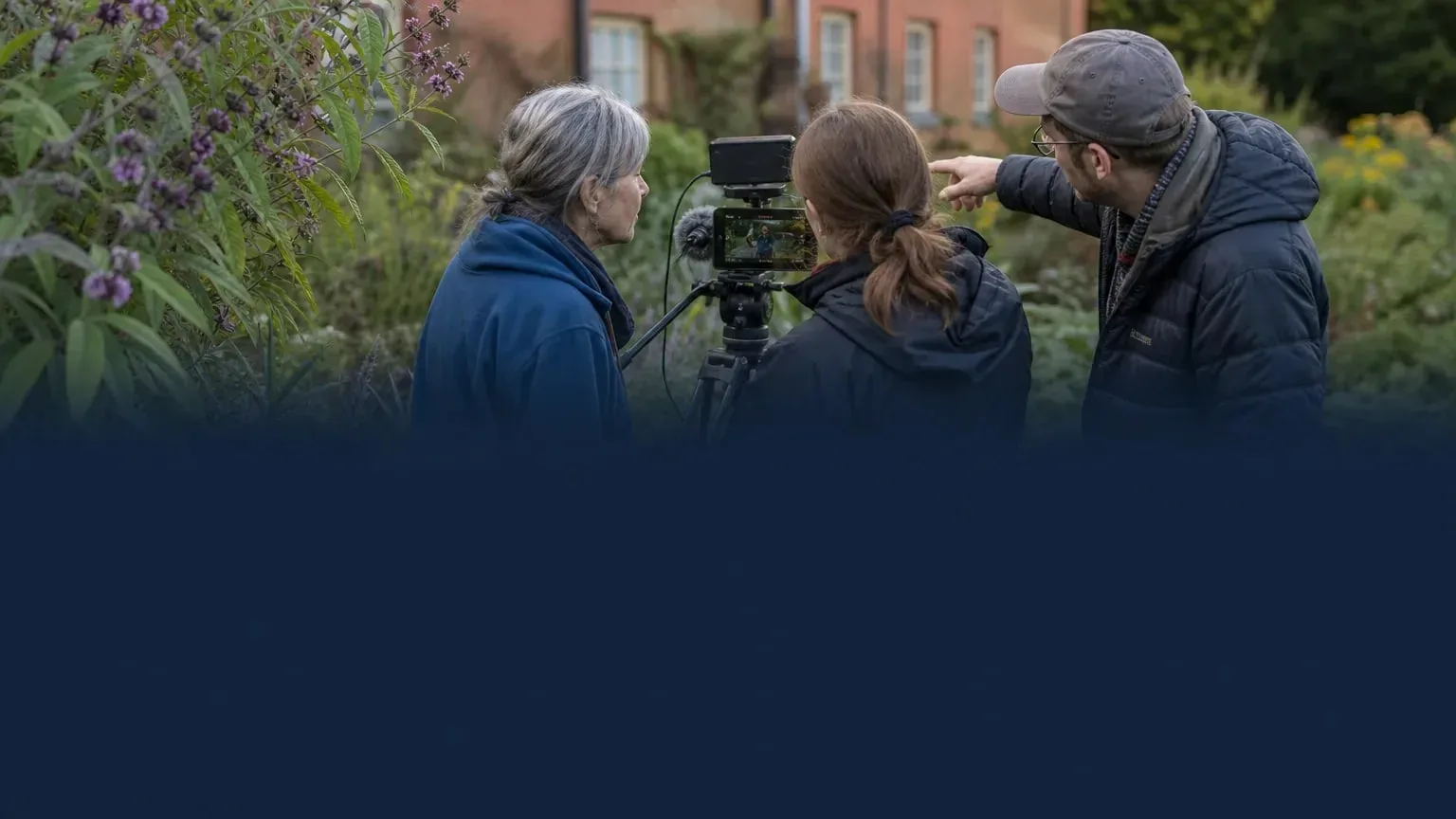
Researchers at The University of Manchester say filmmaking can do more than document a community project: it can help shape how that project is understood, evaluated and improved. Their work with volunteers at Platt Hall in Manchester suggests that co-produced films can capture relationships, reflections and change in ways that surveys and end-of-project reports may miss.
Key facts
- The research explores whether filmmaking can offer a more participatory approach to project evaluation.
- Three films were co-produced with garden volunteers from Platt Hall’s Garden Project.
- The work was led by Dr Sophie Everest and Dr Andy Hardman.
- Platt Hall’s Garden Project launched in 2021 and transformed disused exterior space into a community-led garden.
- The project is part of Ideas at Work, a humanities research series at The University of Manchester.
What does this mean for museums, heritage projects and community groups?
The practical message is that evaluation does not have to sit at the end of a project. In this case, the filmmaking process itself became part of the learning: volunteers took part in storyboarding, directing, camera work and editing, while repeated filming sessions created new opportunities for reflection and discussion.
For museums, galleries, heritage organisations and community-led initiatives, the research points to a more collaborative model of evaluation. Rather than treating participants only as subjects of feedback, the project shows how they can help shape the record of what changed, why it changed, and what those changes meant to them.
The three films each focus on a different aspect of the garden project: personal growth through volunteering, the symbolism of compost and renewal, and the before-and-after transformation of the space. Together, they show how creative methods can reveal both practical outcomes and the social value of participation.
Why use film instead of a standard evaluation report?
Film can make evaluation more participatory because the process requires people to make choices at each stage. Storyboarding, speaking on camera, deciding what to include and editing footage all prompt reflection while a project is still unfolding. The researchers argue that this can reveal emotional and social dimensions that written evaluation may not fully capture.
In the Platt Hall work, film began as a way to document change. Over time, it became part of the project itself, helping participants notice shifts in the building and in their own relationships to the project. That is the key distinction the researchers highlight: evaluation as an ongoing practice, not just a final report.
How did the Platt Hall films come about?
The collaboration began in 2019, when the team started working with Platt Hall during a period of major transformation. The former Gallery of Costume was being reimagined through the Platt Hall Inbetween project as a hyper-local community space developed with audiences rather than simply for them.
Attention then shifted to Platt Hall’s Garden Project, launched in 2021. Volunteers helped turn the site’s disused exterior space into a community-led garden, and in the process they learned narrative techniques and basic film production skills.
The three completed films are:
- A Tale of Healing, Inspiration & Biscuit Diversity in the Platt Hall Garden Project, by Mary Collins
- Compost, by Rashid Mhar
- The Pleasure of the Work, by Helen Steyne
What changes can heritage organisations take from this research?
The researchers say the pilot shows a way to embed evaluation inside a project rather than placing it outside it. They also argue that the method can help heritage organisations think differently about audiences, spaces and cultural experience.
Because the approach is collaborative, the research-to-impact pathway is described as cumulative: the research shaped the creative process, the creative process strengthened participation, and the participant-led insights are now informing broader thinking about evaluation in heritage settings. The project suggests that creative methods may be especially useful where people, relationships and place matter as much as numbers or attendance figures.
Frequently asked questions
What was the main aim of the research?
The main aim was to test whether filmmaking could offer a more participatory way to evaluate a project, especially one rooted in community involvement. The researchers wanted to see whether the process could capture change, relationships and lived experience more effectively than a conventional end-stage report.
What is Platt Hall’s Garden Project?
Platt Hall’s Garden Project launched in 2021 and turned disused exterior space at Platt Hall into a community-led garden. Volunteers worked together on the space, and three co-produced films were made as part of the wider project.


