
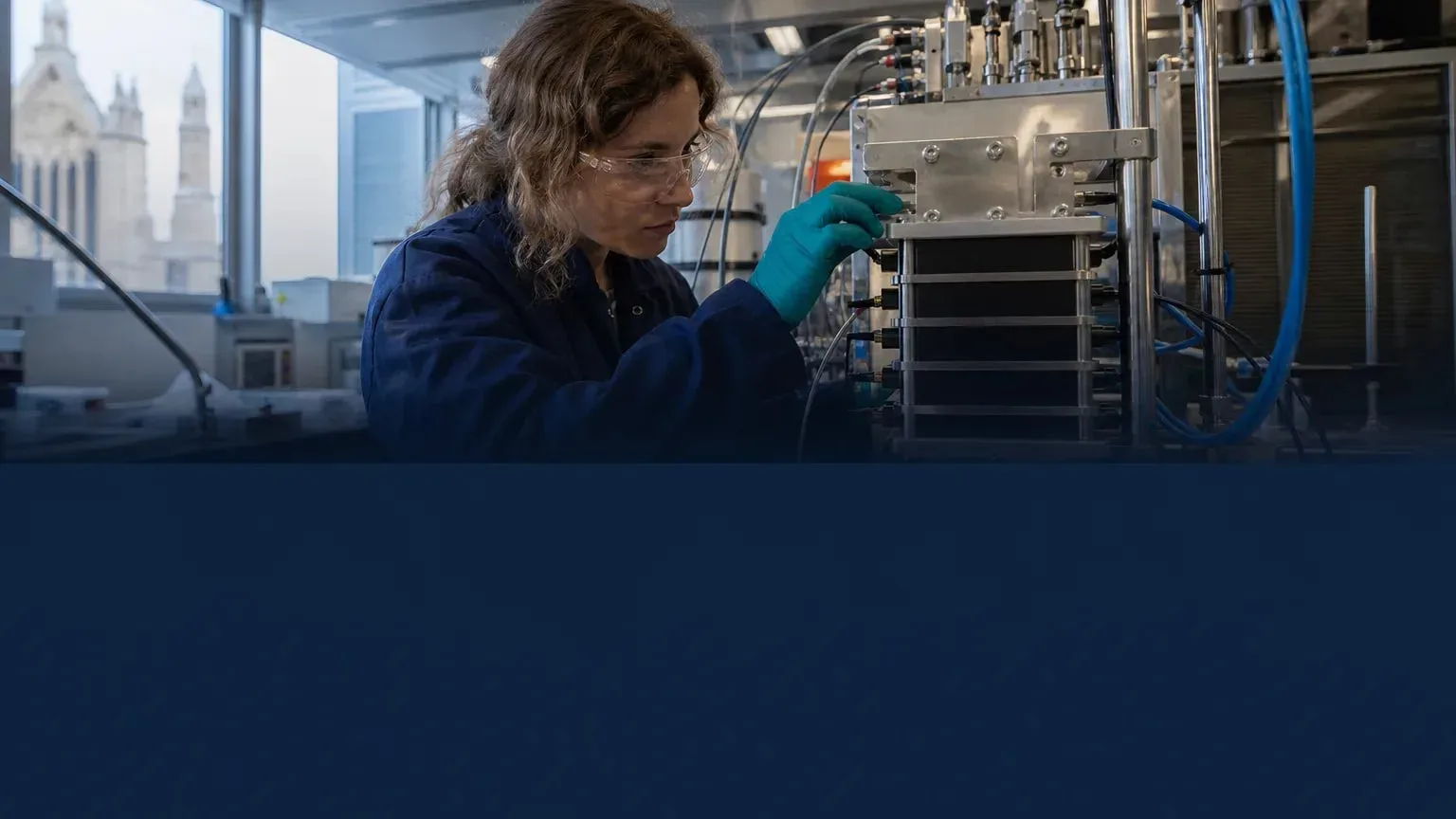
The University of Cambridge has launched Climate i-Teams, a new climate-focused version of its innovation programme, and is inviting postgraduate students and early career researchers to join its first projects. The teams will assess the commercial potential of three university-linked technologies covering EV battery recycling, long-duration heat storage and UV-light conversion for agriculture and other uses.
Key facts
- Climate i-Teams is a new climate-focused strand of Cambridge’s i-Teams innovation programme.
- It is open to postgraduate students and early career researchers.
- The first cohort will work on three projects: EV batteries, heat storage and UV light.
- The programme begins on 5 October and runs through Monday evening sessions in Michaelmas term.
- Applications close on 28 September.
What does Climate i-Teams mean for students and early career researchers?
For postgraduate students and early career researchers, the main opportunity is practical experience on live university inventions with a commercial angle. Each interdisciplinary team of seven will interview experts, gather market feedback and help shape recommendations on the best route to market for a real project.
The programme also gives participants exposure to climate innovation across several sectors. One project looks at faster, cheaper recycling of spent lithium-ion EV batteries; another explores storing summer renewable energy for winter heating; and a third focuses on using UV light to improve greenhouse production and reduce energy needs. Sessions take place on Monday evenings at the IfM, and the final findings are due on 10 December.
Why has Cambridge created a climate-specific version?
Cambridge says the new strand responds to the need for innovation focused specifically on climate change and sustainability. The projects are framed around emerging technologies with potential environmental applications, and the programme is intended to bring multidisciplinary student teams together with inventors to develop commercially viable ideas.
Adam Wurr, an i-Teams inventor from the 2025 programme, said it was timely that climate now has its own space in the programme. He linked that need to the recent summer of wildfires and drought, saying the format gives students a chance to gain experience in solving climate challenges.
What will the three projects investigate?
The first project is led by Esther Gray, Dr Javier Rubio Garcia and Professor Manish Chhowalla, whose method for recycling spent lithium-ion EV batteries is described as faster, cheaper and less energy intensive than existing approaches, with less hazardous waste. The i-Team will help assess the recycling market, interview experts and identify the best route to market.
The second project, led by Luc Liedtke, Juan-Luis Pinzón Ramírez, Collin Smith and Laura Torrente-Murciano, uses a reversible chemical reaction with proprietary materials to store renewable energy in summer for use in winter heating. Cambridge says the technology is aimed at domestic heat networks and data centres, and the team will examine markets and relevant legislative frameworks.
The third project comes from Dr Monica Saavedra and Dr Boris Breiner of Lambda agri. Their additive converts UV light into red light and is said to increase plant yields by around 20% while reducing heating energy requirements and CO2 emissions. Cambridge says early applications could include greenhouse paint and polytunnel sheeting.
How does the programme work?
According to Cambridge, the i-Teams format puts students with inventors to test commercial potential rather than technical feasibility alone. Teams are interdisciplinary, with seven members working together across the term. The weekly sessions combine hands-on teamwork with a lecture or workshop.
Participants can also gain wider exposure to the commercial and entrepreneurial side of research. Esther Gray, who returned as an inventor after taking part two years ago, said the programme helped her understand that entrepreneurship was something she wanted to pursue, while Wurr said some members of his team stayed in touch and even volunteered to intern for his business.
Frequently asked questions
When do applications close for Climate i-Teams?
Applications are open until 28 September. The programme starts on 5 October and ends with final presentations on 10 December.
Who can apply to Climate i-Teams?
Cambridge says the programme is inviting postgraduate students and early career researchers to take part in the first climate-focused projects.


