
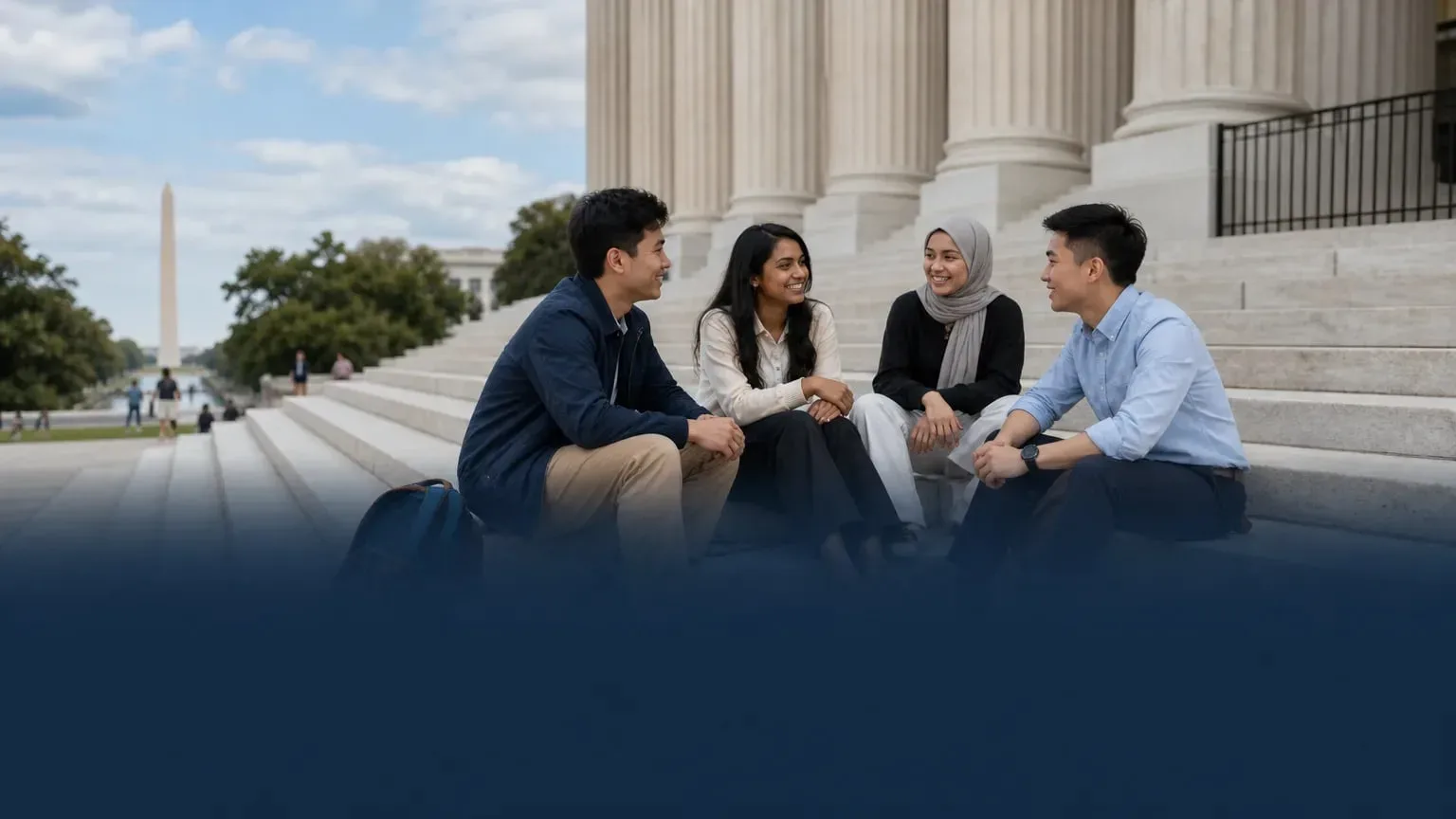
The YSEALI Academic Fellows Program 2027 will bring eligible students and recent graduates from Southeast Asia and Timor-Leste to the United States for a five-week academic exchange that is fully funded by the U.S. Department of State. The program is scheduled for Spring and Fall 2027, and it is designed to build leadership skills, expand networks, and connect fellows with U.S. host institutions.
Key facts
- The fellowship is open to young leaders from Southeast Asian countries and Timor-Leste.
- It is open to undergraduate and graduate students, including recent graduates within the stated eligibility window.
- Participants can study at one of eight host institutions in the United States.
- The program lasts five weeks and runs in Spring or Fall 2027.
- The application deadline is 12 October 2026.
What this means for students and recent graduates
For eligible applicants, the main value of the fellowship is access: there is no participation fee, and the program covers international travel, visa costs, and basic living expenses. That makes the exchange relevant to students who want U.S.-based academic exposure without taking on the usual financial burden of a short-term overseas program.
The fellowship is also structured around hands-on learning. Fellows are expected to take part in sessions, events, cultural activities, and other program components, with themes that include Peace and Security, Liberty and Freedom, Natural Resources, and Economic Prosperity. Applicants also need to be able to receive a U.S. J-1 visa and must meet the age, citizenship, residency, and academic-status rules.
- Eligible audience: citizens and residents of Brunei, Cambodia, Indonesia, Malaysia, the Philippines, Singapore, Thailand, Timor-Leste, and Vietnam.
- Age range: 18 to 25 years old.
- Academic status: full-time or part-time undergraduate or graduate students, or people who earned an undergraduate degree within the last four years.
- Not eligible: citizens of Burma and Laos, U.S. citizens or permanent residents, U.S. government employees and their immediate family members, and prior YSEALI Academic Fellows alumni.
- Deadline: 12 October 2026.
How long is the YSEALI Academic Fellows Program?
The YSEALI Academic Fellows Program lasts five weeks. The Spring cohort is expected to run from 1 April to 5 May 2027, while the Fall cohort is expected to run from 16 September to 20 October 2027.
Participants can join the program at one of eight host institutions in the United States and take part in academic residency, community service, training, simulations, site visits, and cultural activities. The fellowship also includes a reciprocal exchange component for Americans to travel to Southeast Asia.
Who can apply?
Applicants must be citizens and residents of one of the eligible Southeast Asian countries or Timor-Leste, must be physically living in an ASEAN member state through the start of the chosen fellowship, and must be proficient in English. They also need to submit documents proving age, citizenship, and residency, along with a transcript and passport.
The program is aimed at undergraduate or graduate students and at those who have recently completed an undergraduate degree. Applicants must not be U.S. citizens or permanent residents, must not be employees or immediate family members of U.S. government employees, and must be eligible for a U.S. J-1 visa.
What is the application process?
Applications are submitted online through Submittable. The process includes creating an account, completing eligibility questions, entering personal and educational information, describing English-language skills and international experience, answering theme and cohort questions, and submitting essay responses. Applicants must also certify the accuracy and authenticity of their submission before filing it.
Because the deadline is 12 October 2026, prospective applicants need to prepare supporting documents early and confirm that they meet the program’s nationality, residency, and age requirements before starting the form.
Frequently asked questions
What does the fellowship cover?
The fellowship is fully funded. It has no participation fee and covers international travel, visa costs, and basic living expenses for selected fellows.
What themes are available?
The program lists four themes: Peace and Security, Liberty and Freedom, Natural Resources, and Economic Prosperity. Applicants choose the theme that best fits their interests and the cohort they want to join.


