
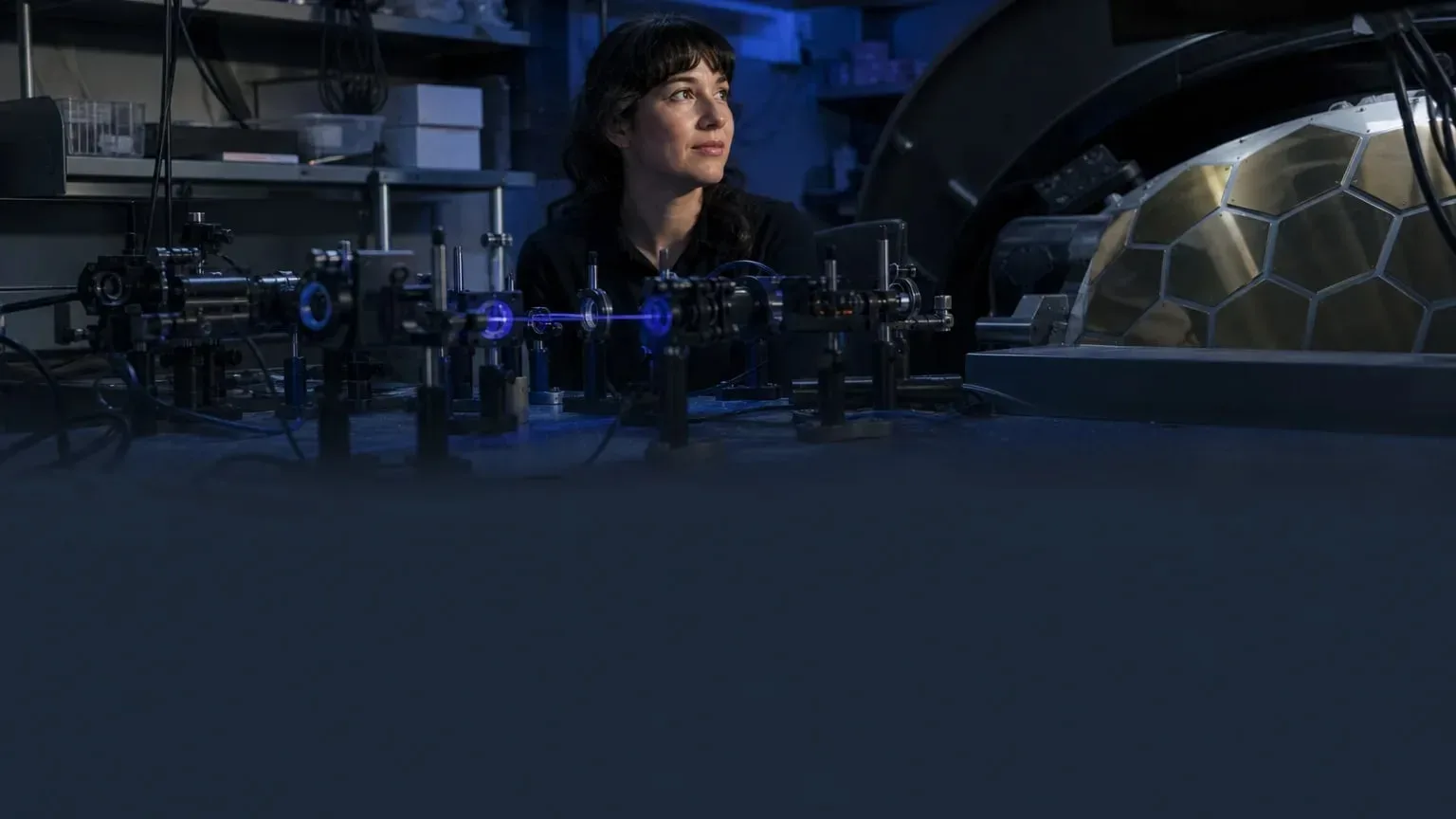
Sara Seager has been named the Eddie Goldenberg Distinguished Research Chair in Planetary and Molecular Sensing Technologies at the University of Toronto’s Department of Chemistry. The appointment is tied to her status as an incoming U of T professor and points to a research focus on planetary and molecular sensing technologies.
Key facts
- Sara Seager has been named to a distinguished research chair at the University of Toronto.
- The title is Eddie Goldenberg Distinguished Research Chair in Planetary and Molecular Sensing Technologies.
- The appointment is associated with the Department of Chemistry at U of T.
- The announcement identifies Seager as an incoming University of Toronto professor.
What does this mean for students and researchers at U of T?
The appointment signals added research leadership in the Department of Chemistry for students, researchers, and collaborators connected to planetary and molecular sensing work. For graduate students and research trainees, a named chair can shape mentorship, lab direction, and the visibility of a research program within the department.
For applicants and current students interested in chemistry, planetary science, or sensing technologies, the practical takeaway is that this is a faculty appointment to watch for future research opportunities and academic activity at U of T. The announcement does not provide application steps, funding details, or a project timeline, but it does establish the chair’s subject area and departmental home.
- Who is affected: students, researchers, and the incoming professor’s academic community at U of T.
- Where: Department of Chemistry, University of Toronto.
- Focus area: planetary and molecular sensing technologies.
Who is Sara Seager?
Sara Seager is identified in the announcement as an incoming University of Toronto professor. The naming of a distinguished research chair alongside that appointment suggests she will have a prominent role in the department’s research profile, particularly in the area named by the chair.
Why does this chair matter?
Distinguished research chairs are often used by universities to recognize and support faculty members whose work is expected to advance research in a specific field. In this case, the chair name itself indicates a focus on planetary and molecular sensing technologies, which gives a clear signal about the kind of scholarship the department is emphasizing.
What happens next at the Department of Chemistry?
The announcement establishes the appointment and the chair title, but not a detailed implementation plan. What matters now is that the Department of Chemistry has linked an incoming professor to a named research chair, creating an identifiable research leadership post for the university community.


