
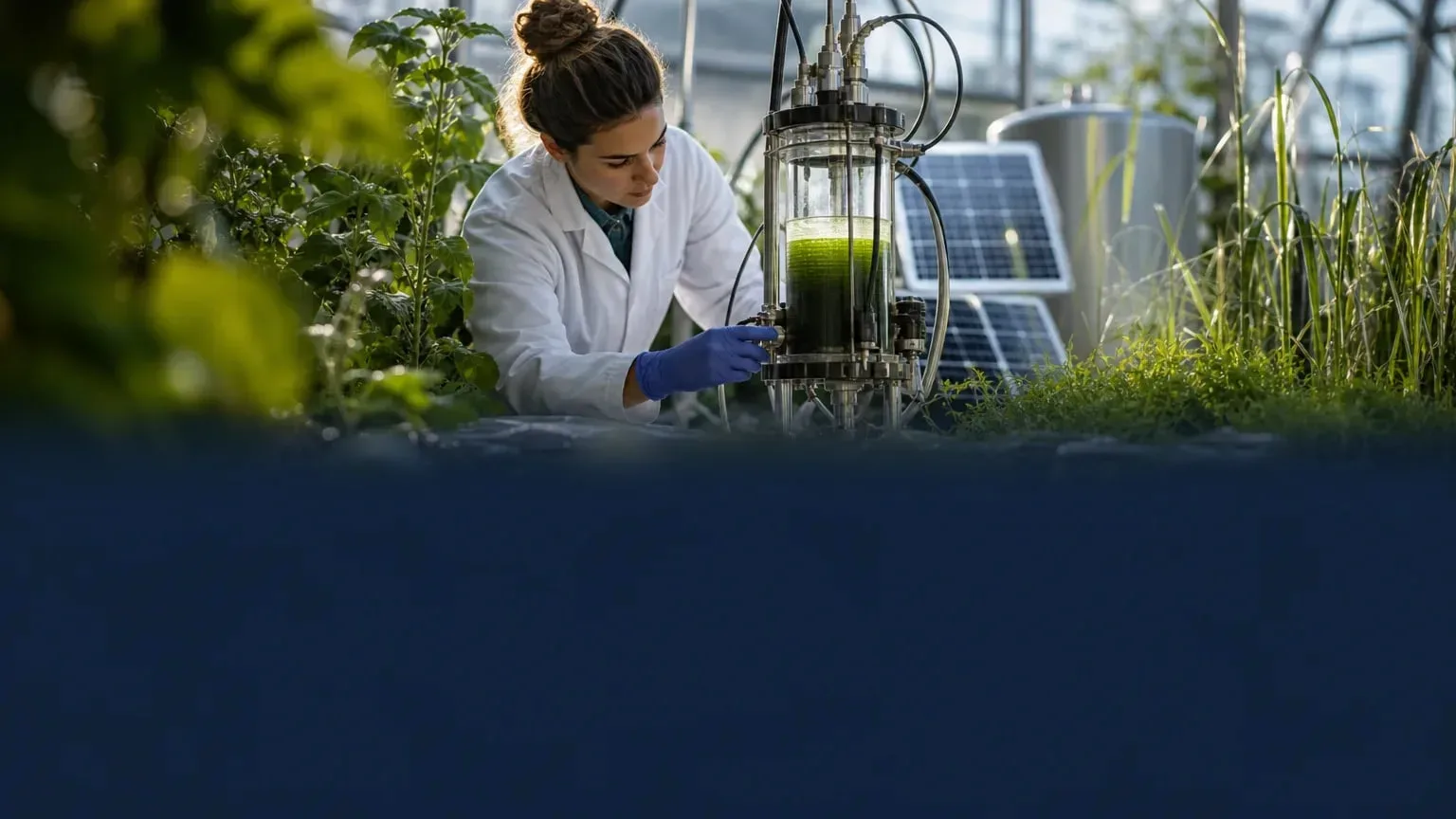
Applications are open for the LabStart Fellowship 2027, a climate technology entrepreneurship program for founders who want to turn research-based ideas into startups. The cohort is aimed at entrepreneurs willing to work full time on a climate company, and applications are due on October 9, 2026.
Key facts
- LabStart says the fellowship is designed to help entrepreneurs commercialize climate technologies and research.
- The 2027 application deadline is October 9, 2026.
- The program combines funding, training, mentorship, access to technologies and network connections.
- LabStart says fellows can work with technologies from U.S. research institutions and laboratories.
- The program welcomes nontraditional founders, including women, BIPOC founders and first-time founders.
What does this mean for students, researchers and aspiring founders?
The fellowship is most relevant to people who want to move from research, technical training or an early-stage idea into company formation. LabStart describes the program as useful for founders who are still exploring a technology, seeking a license, trying to commercialize laboratory research or looking for a market opportunity around a climate solution.
Applicants are expected to be ready to launch a company full time. The application process asks them to explain their background, prior experience and startup idea, and also to consider curated technologies identified by LabStart’s laboratory partners. That means a strong application can be built either around an existing idea or around a licensable technology the applicant wants to commercialize.
For people selected into the cohort, the practical value is not only funding but also access to mentors, intellectual property support and research connections. LabStart says the fellowship can help founders handle licensing, market evaluation and early company building while connecting them with researchers, technology-transfer offices, investors and industry partners.
How does LabStart say the fellowship works?
LabStart describes the program as a 12-month fellowship with capital, capacity building, networks and commercialization support. Current materials refer to milestone-based funding of $100,000, while recent communications about the 2027–28 cohort refer to up to $125,000 in direct and in-kind funding. The program materials also describe a Discovery Phase and a Launch Phase, with the overall structure intended to help founders test technologies, evaluate markets and build a company.
The fellowship’s curriculum is delivered by FRACTAL and includes training in technology evaluation, market opportunity assessment, intellectual property, licensing, business building and commercialization. LabStart also says fellows gain mentorship from climate entrepreneurs and deep-tech professionals.
Who is LabStart looking for?
LabStart says it is seeking people with a genuine interest in both climate solutions and entrepreneurship, along with the willingness to dedicate themselves to building a company. The application page highlights nontraditional founders, women, BIPOC founders and first-time founders as part of the community it wants to support.
The program also emphasizes scientific literacy, entrepreneurial spirit, grit, authenticity, coachability and a collaborative mindset. Applicants can come from research, engineering, technical or entrepreneurial backgrounds, and prior startup experience is not required.
What kinds of technologies does the fellowship support?
LabStart says its fellows and alumni have worked across energy, renewable energy, energy storage, advanced materials, industrial decarbonization, carbon reduction, circular materials, recycling, grid modernization, agriculture, sustainable manufacturing, infrastructure and climate adaptation.
The organization also points to examples such as carbon-negative methanol from methane emissions, residential solar adoption technologies, demand-response software for vertical farming, algae-based biofuels, plastics recycling, low-carbon construction materials and grid modernization tools. LabStart says it works with research institutions and laboratories including NREL, Sandia National Laboratories, Oak Ridge National Laboratory and Pacific Northwest National Laboratory.
FAQ
When is the application deadline?
The application deadline for the LabStart Fellowship 2027 is October 9, 2026.
Do applicants need a fully formed startup?
No. LabStart says the fellowship can also suit people who are still identifying a technology, seeking a license, or exploring a market opportunity for a climate solution.


