
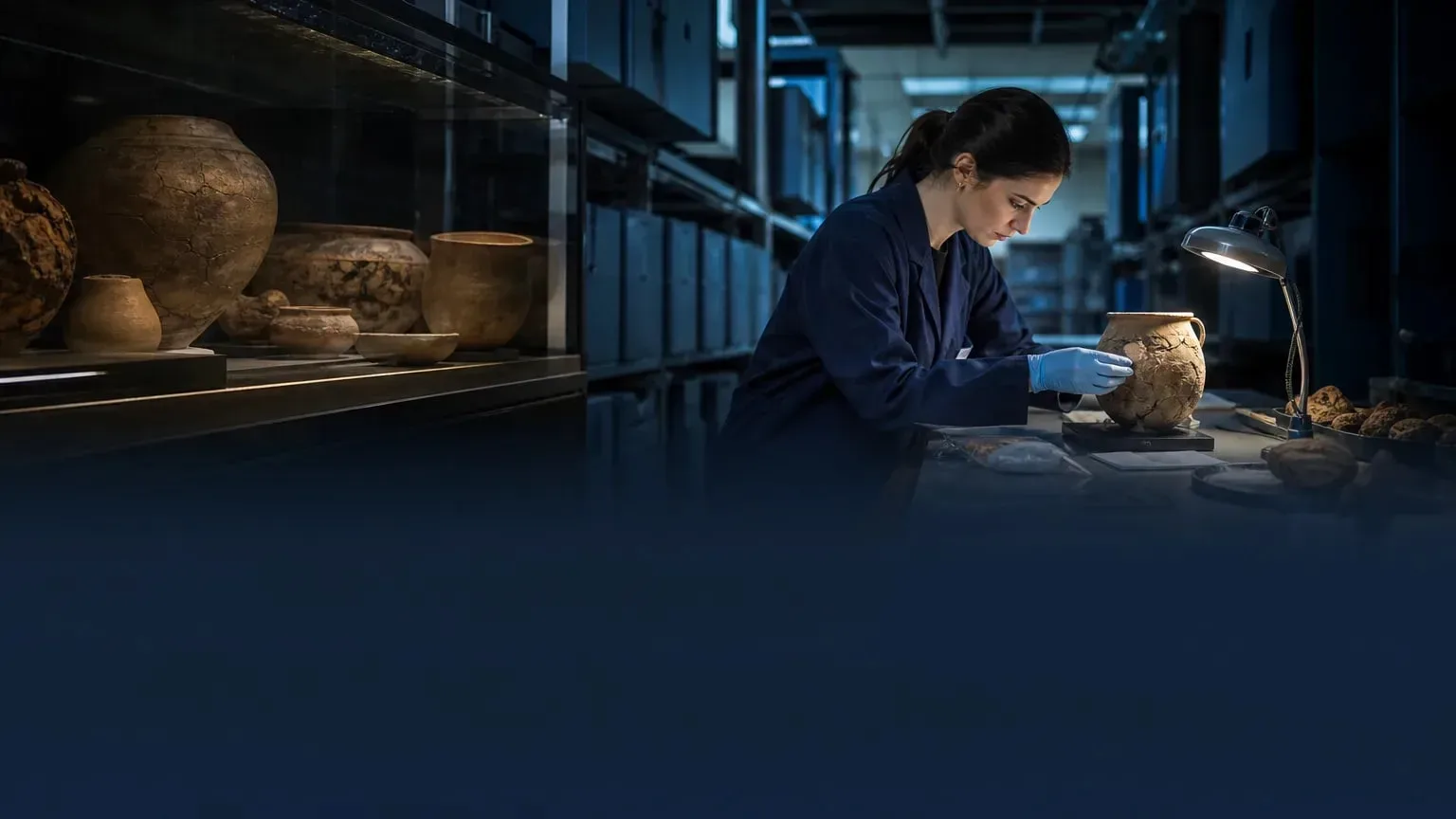
Manchester Museum, part of The University of Manchester, is set to begin a three-year programme to reimagine how it interprets its archaeology collections, with support from Getty’s New Interpretations initiative. The project is intended to move beyond traditional explanation and use interpretation to help people imagine better futures.
Key facts
- The museum will run a three-year programme focused on archaeology interpretation.
- Getty is supporting the project through its New Interpretations initiative.
- Three Imagination Fellowships will help co-design new interpretive interventions for the Archaeology gallery.
- Manchester Museum cares for around 60,000 archaeology objects spanning more than 50,000 years of human history and material culture.
- The museum is one of 11 organisations awarded grants in the pilot round and the only one in Europe.
What does this mean for museum visitors and communities?
The practical impact is likely to be seen first in the Archaeology gallery, where the museum plans to develop new displays shaped by communities, practitioners, researchers and staff. Those changes are expected to reflect the museum’s stated values of inclusion, imagination and care, while creating a new model for collaborative display.
The project will be delivered through three Imagination Fellowships, which are designed to support co-creation rather than one-way interpretation. Manchester Museum says the work is meant to strengthen belonging, hope and agency, and to influence museum practice more widely in the UK and internationally.
- Who is affected: museum visitors, community partners, researchers and museum staff.
- What changes: new interpretive interventions and displays in the Archaeology gallery.
- How long: three years.
- Why it matters: the museum wants to create sector-leading models for display and interpretation.
What is the project trying to change?
The museum says the project will test a new model of co-creation, using archaeology not only to explain the past but also to support social connection and civic participation. That approach is meant to inform how deep-history collections can be presented in ways that are more collaborative and more relevant to contemporary audiences.
Esme Ward, director of Manchester Museum, said the initiative offers an opportunity to embed values-based practice throughout archaeological interpretation and to work with communities to develop new knowledge. She said the museum aims to create new models for collaborative display focused on belonging, hope and agency.
What makes Manchester Museum’s archaeology collections significant?
Manchester Museum says it cares for about 60,000 objects across archaeology, covering more than 50,000 years of human history and material culture. The collections are designated by Arts Council England for their international significance.
The museum highlights strengths that include the largest collection of excavated Roman-era assemblages from Manchester and the surrounding area, extensive prehistoric material from Europe, West Asia, South Asia and Africa, and rare Classical Greek ceramics that challenge long-held understandings of well-known mythological narratives.
How does the Getty grant round fit in?
Manchester Museum is one of 11 museums and arts organisations selected in the pilot round of Getty’s New Interpretations grants, and the only awardee in Europe. The other grantees include institutions in the United States, Australia and Asia, according to the announcement.
The project places Manchester Museum within a broader international effort to rethink how museums interpret collections and how they invite audiences into that process.


