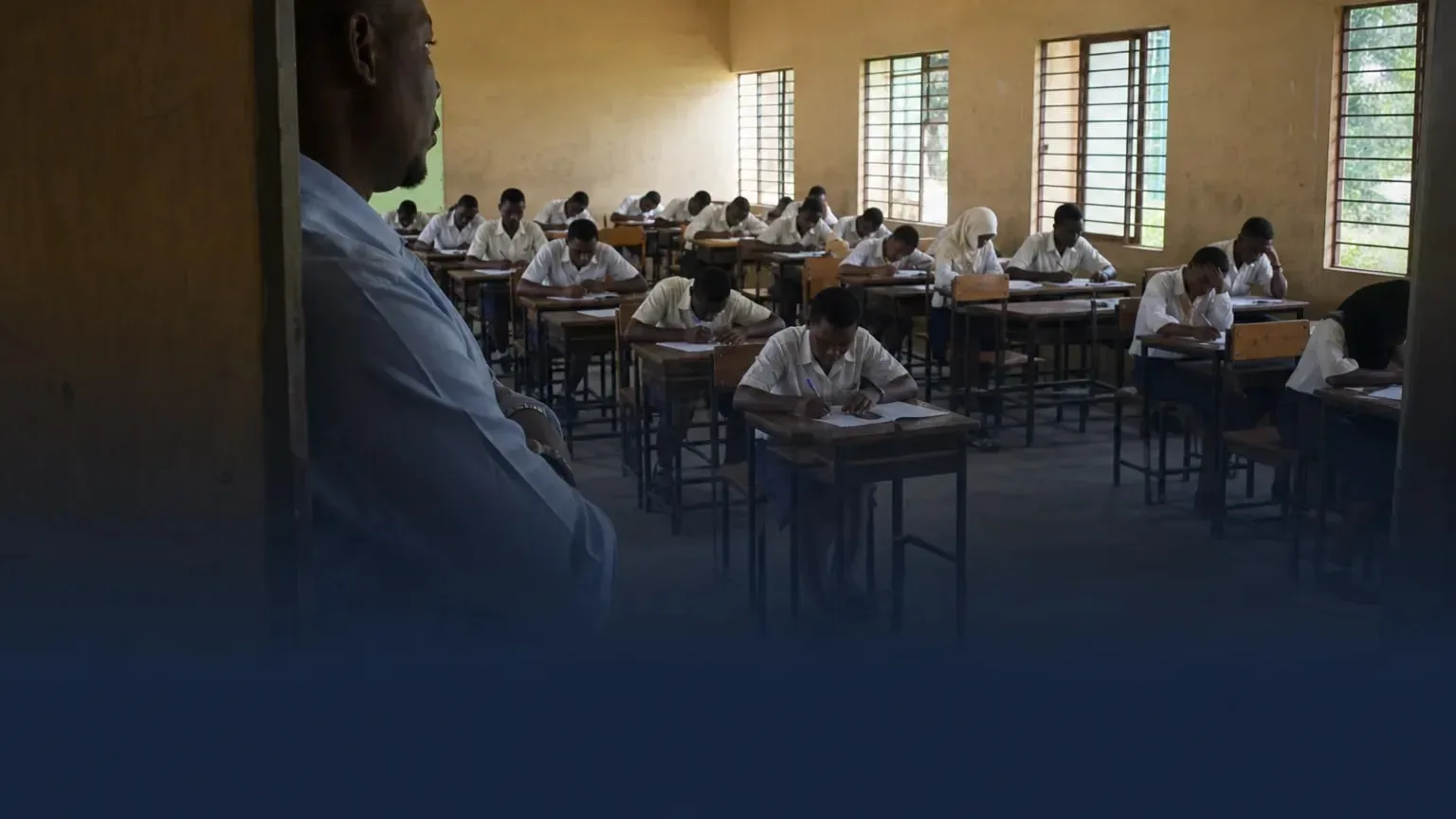
A Federal Ministry of Education newsletter item from its FEQAS department in Nigeria says examination malpractice is a national education integrity problem because examinations remain the main way learners’ skills and knowledge are assessed. The item places the issue in the context of a sensitization workshop on examination malpractice organized by the National Examinations Council in Minna.
Key facts
- The material is published under the FEQAS department of Nigeria’s Federal Ministry of Education.
- It appears in the FEQAS Newsletter 2023.
- The featured address was delivered by Permanent Secretary Andrew David Adejo, OON.
- The address was given at a national sensitization workshop on examination malpractice in Minna.
- The newsletter frames examinations as the primary method for assessing learners’ skills and knowledge.
Why this matters for students and schools
The practical message for learners, parents, schools and exam administrators is that examination malpractice is being treated as a system-level threat to fair assessment. Because exams are described as the main tool for measuring skills and knowledge, any abuse of the process can affect the credibility of results and the trust placed in school assessment.
For institutions and candidates, the key takeaway is that exam integrity is not presented as a side issue. It is part of how the education system evaluates learners, which makes prevention, supervision and awareness central to the ministry’s approach. The workshop setting also suggests the issue is being addressed through sensitization rather than ignored as a purely disciplinary matter.
What is the FEQAS department in this item?
The FEQAS department is the part of the Federal Ministry of Education under which the newsletter item is published. In this material, it is linked to a 2023 newsletter that highlights the ministry’s concern about examination malpractice and the need to protect the assessment process.
What did the keynote address say about exams?
The address says examinations are the primary method of assessing learners’ skills and knowledge. That framing is central to the item’s point: if examinations are the main measure of educational performance, then malpractice undermines the value of the results they produce.
Where did the sensitization workshop take place?
The workshop was held in Minna and was organized by the National Examinations Council. The newsletter ties the address to that event, placing the anti-malpractice message in a formal national setting.