
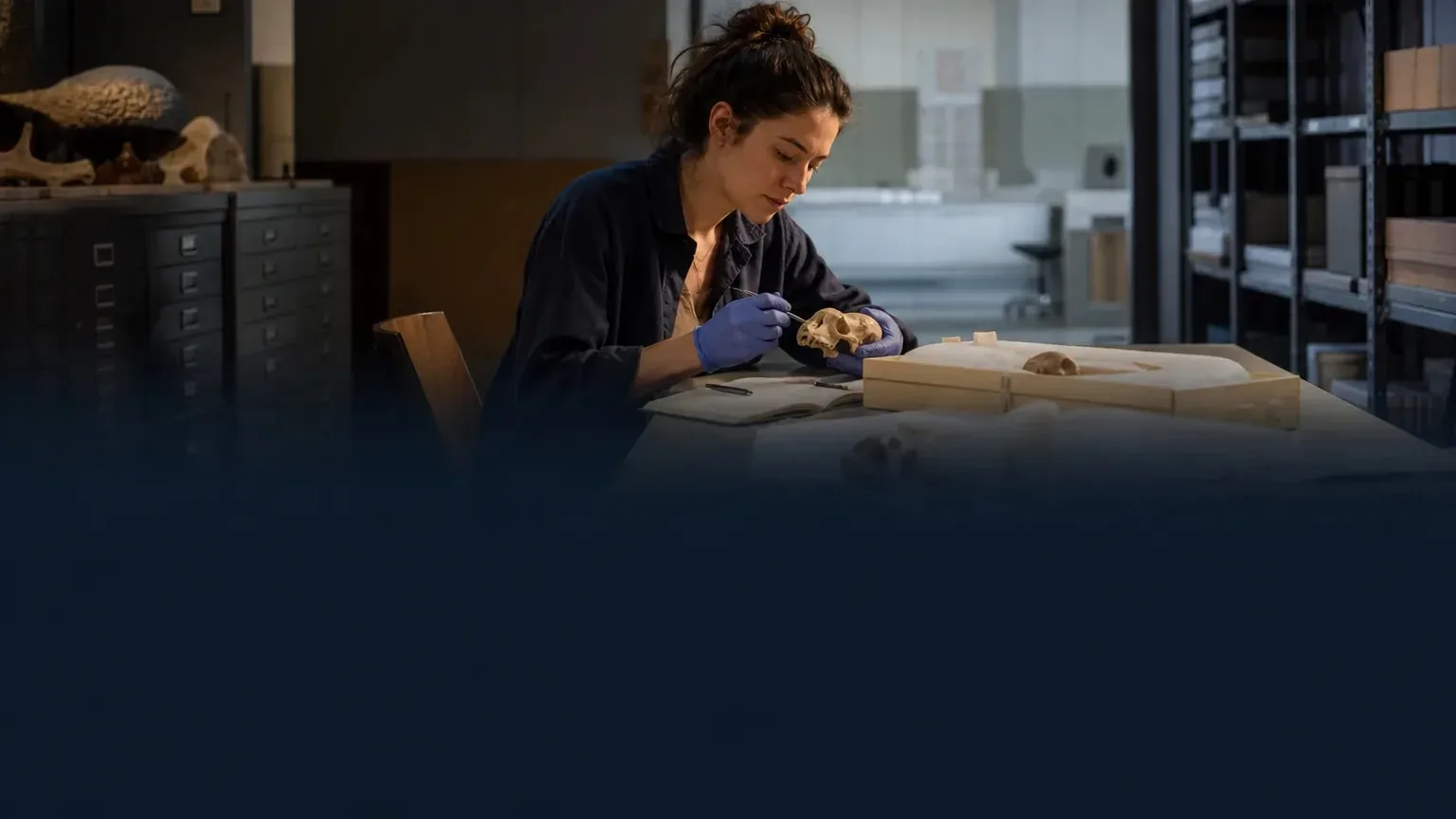
The Smithsonian Institution Fellowship Program for 2027-2028 is now accepting applications for researchers who want to carry out in-residence study in the USA. The program supports independent research connected to Smithsonian collections, facilities and areas of expertise, with graduate, predoctoral, postdoctoral and senior fellowships available.
Key facts
- The fellowship is offered by the Smithsonian’s Office of Academic Appointments and Internships under the institution’s charter.
- It is open to graduate, predoctoral, postdoctoral and senior researchers.
- Fellows are expected to reside primarily at Smithsonian facilities for the duration of the award unless approved fieldwork or research travel is arranged.
- The program is paid and includes a stipend; fellows may also receive a research allowance.
- Fellowship lengths vary by category, from ten weeks for graduate student fellowships to up to 24 months for postdoctoral and senior fellowships.
What does this mean for applicants and researchers?
For eligible graduate students and researchers, the fellowship offers a funded route to work inside one of the world’s largest museum, education and research complexes. The main practical requirement is to develop a proposal that fits Smithsonian disciplines and makes use of Smithsonian collections, facilities or expertise.
Applicants should also plan around the residency expectation. Fellows are meant to be based at the institution for most of the award period, so the opportunity is best suited to research that can be advanced through on-site access or approved fieldwork. The program’s structure makes timing and project design important, especially because different categories carry different durations.
- Graduate student fellowships last ten weeks.
- Predoctoral fellowships last three to twelve months.
- Postdoctoral and senior fellowships last three to twenty-four months.
Which research fields are supported?
The fellowship covers a broad set of research areas, including animal behaviour, ecology, environmental science, anthropology, cultural anthropology, linguistics, physical anthropology, astrophysics and astronomy, earth sciences and paleobiology, evolutionary and systematic biology, folklife, history of science and technology, history of art, materials research, molecular biology, and social and cultural history of the United States.
Smithsonian encourages proposals that expand research within its disciplines, which means the strongest applications are likely to connect clearly to the institution’s collections, facilities or field stations.
How long do Smithsonian fellowships last?
The length depends on the category. Graduate student fellowships run for ten weeks, predoc fellows can stay for three to twelve months, and postdoctoral or senior fellows may hold awards for three to twenty-four months. That range gives applicants flexibility, but it also means each project must match the timeline of the specific fellowship type.
Why is this fellowship notable?
The program combines research access, mentoring and funding. Fellows work with Smithsonian professionals who serve as mentors and hosts, giving selected researchers direct access to institutional expertise while supporting original study in a setting focused on collections-based and field-informed scholarship.


