
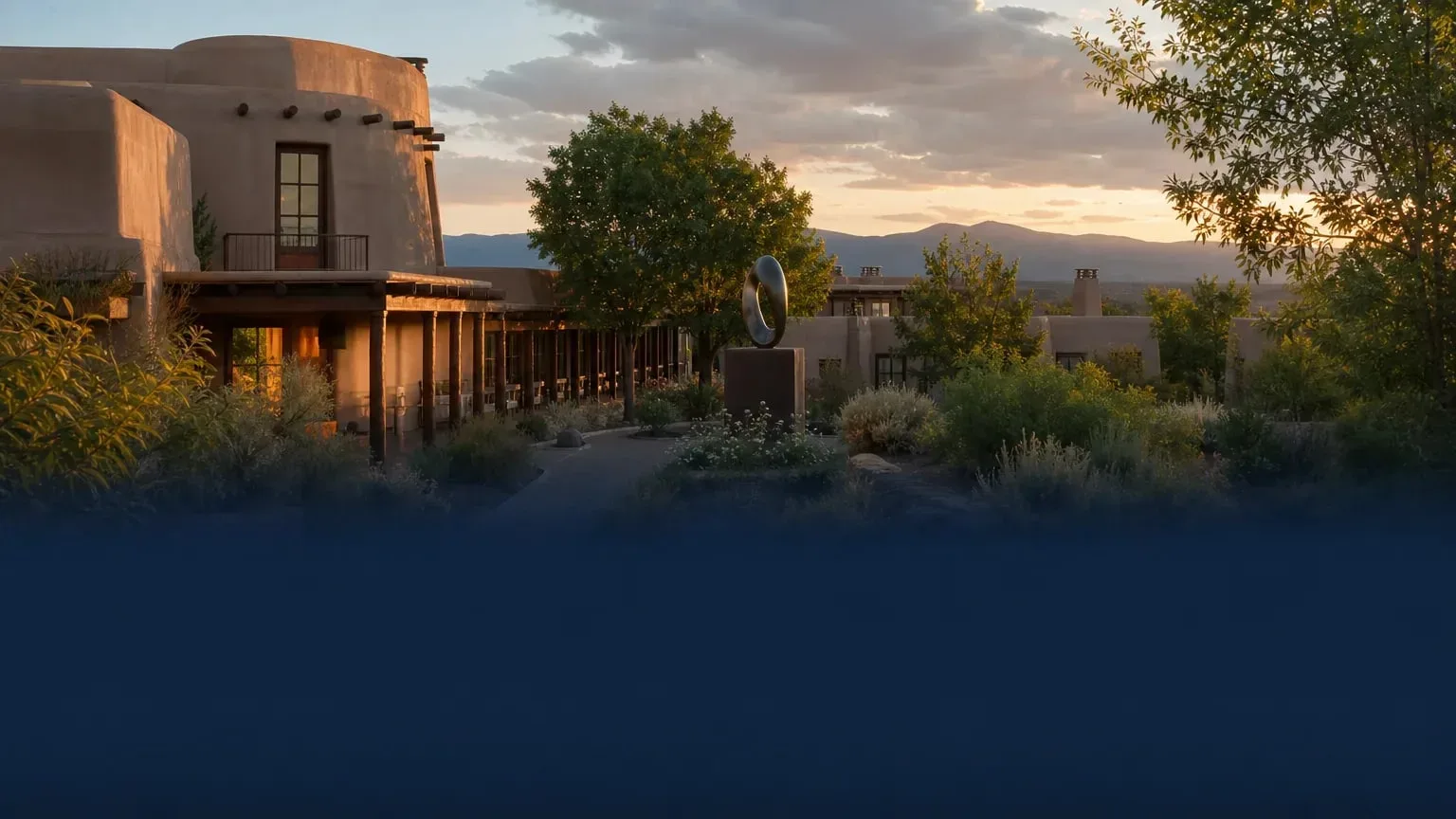
The School for Advanced Research is offering 2026–2027 Resident Scholars fellowships in Santa Fe, New Mexico, for scholars who are already deep into a dissertation, book manuscript, or other substantial project and need dedicated residential time to finish it. The program is built for humanities and social science researchers who can benefit from an interdisciplinary setting, housing, and a stipend while they write.
Key facts
- SAR’s Resident Scholars program is residential and based in Santa Fe, New Mexico.
- The fellowships are aimed at advanced projects that generally need about nine months to reach substantial completion.
- Senior scholars can receive $70,000 for a nine-month fellowship; junior scholars can receive $50,000 for a nine-month fellowship.
- Applications are due on the first Monday of November.
- Awards are announced in March, and residencies begin on September 1 of the following year.
What does this mean for applicants and researchers?
For doctoral candidates, postdoctoral researchers, senior scholars, and some Native American scholars and writers, the main value of the program is uninterrupted writing time in a residential academic community. SAR is looking for projects that are already substantially developed, not early-stage proposals, and it expects fellows to be physically present for at least 90% of the appointment.
Applicants also need to plan around the fellowship structure. SAR provides campus apartments, but separate offices are not currently available because of ongoing construction. Faculty applicants may be considered for a shorter 4.5-month fellowship depending on apartment availability, while the standard fellowship runs for nine months.
- Apply if your project is ready to move from research to manuscript or dissertation completion.
- Expect residency in Santa Fe rather than a remote award.
- Check fellowship-specific eligibility before applying, especially for the Katrin H. Lamon Fellowship for Native American scholars and writers.
- Plan for the November deadline and the March announcement timeline.
What fellowships are available?
SAR lists the Weatherhead Fellowship, the Paloheimo Fellowship, and the Katrin H. Lamon Fellowship among its open opportunities for 2026–2027. The Weatherhead Fellowship offers two residential fellowships and is open to doctoral degree holders writing books as well as PhD candidates writing dissertations. The Paloheimo Fellowship offers one nine-month residential fellowship for PhD candidates writing dissertations.
The Katrin H. Lamon Fellowship offers one residential fellowship for Native American scholars at the predoctoral or postdoctoral level working in the humanities or social sciences, as well as Native American writers with a substantial body of published work. SAR also notes that the Mellon Foundation Fellowship sunset in 2024 and the Wenner-Gren Fellowship sunset in 2025, so those options are no longer accepting applications.
How are applications judged?
SAR says applications are reviewed on two main grounds: the project’s contribution to scholarship and the applicant’s ability to write in a publicly accessible way for non-specialists. Reviewers are asked to assess each proposal from the intellectual perspective of the field the applicant is trying to advance, rather than favoring a personal discipline, theory, or method.
That makes the written application especially important. A competitive proposal needs to show what the project is about, why it matters, and how the fellowship period will help bring it to substantial completion.
When is the deadline and when do decisions come out?
The application deadline is the first Monday of November, and awards are announced in March. Successful applicants begin their residencies on September 1 of the following year.
Because the exact calendar date changes from year to year, applicants need to confirm the correct Monday for the cycle they are targeting. SAR’s schedule gives selected fellows several months to prepare for relocation and other logistics before the residency starts.
Why does the residential format matter?
The fellowship is designed around in-person scholarly exchange, not just funding. Senior fellows are expected to provide informal mentoring to junior fellows, and SAR says fellows have access to an interdisciplinary community that supports research and writing across humanities and social science fields.
This format is most useful for researchers who have already done the core research and now need time, structure, and peer exchange to finish the writing stage.


