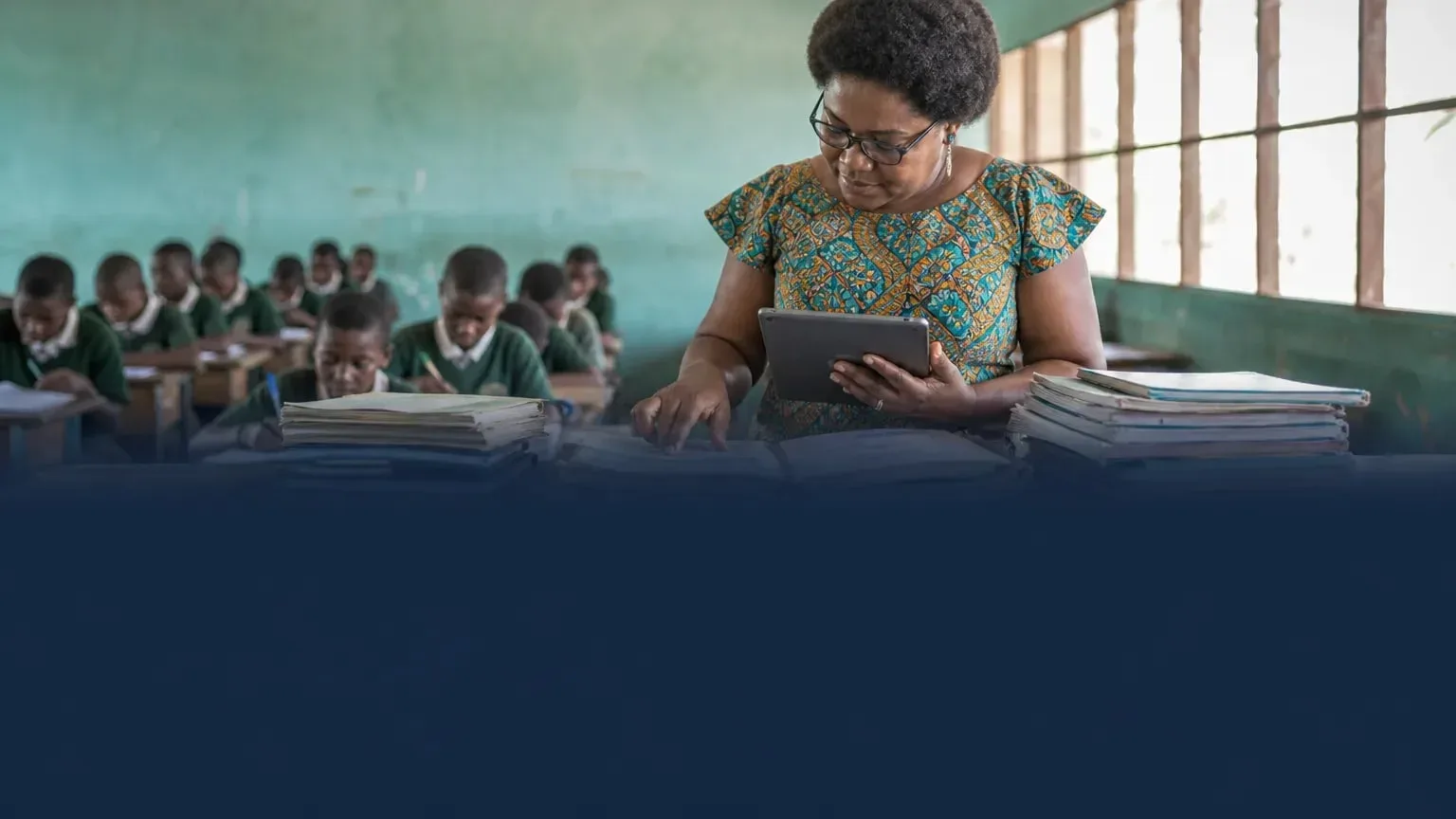
The Federal Ministry of Education in Nigeria has compiled a guide page that collects a wide range of education resources in one place, including a children’s handbook on COVID-19, school reopening guidance, an ICT-in-education implementation document and staff handbook material. The page matters because it serves as a single access point for policy, operational and safety documents used across the education sector in Nigeria.
Key facts
- The guide page is published by the Federal Ministry of Education, Nigeria.
- It includes resources for schools, ministry staff and learners, not just one audience.
- Listed documents include COVID-19 reopening guidelines and a handbook for children on coronavirus disease.
- The page also links to an implementation guide for the National Policy on ICT in Education.
- One listed item, the AGILE stakeholder engagement plan, focuses on improving secondary education opportunities for girls.
What does this mean for students, schools and education staff in Nigeria?
For learners, schools and education workers, the practical value of the page is that it gathers official guidance that can affect classroom reopening, learning continuity and the use of technology in education. The materials cover both immediate safety concerns, such as COVID-19, and longer-term policy areas such as ICT in education and secondary-school access for girls.
For school leaders and ministry staff, the collection suggests where to look for operational guidance and background documents. The reopening guidelines are intended to support the safe resumption of academic activities after COVID-19 closures, while the handbook for ministry staff is meant to equip employees with knowledge of operational modalities in the ministry and the wider civil service.
- Audience affected: learners, teachers, parents, school administrators and education practitioners.
- Main topics: COVID-19 safety, school reopening, ICT policy, basic education planning and staff guidance.
- Institutional setting: Nigeria’s Federal Ministry of Education.
Why does this guide page matter?
The page matters because it brings together documents that point to different parts of the education system at once. Some resources are designed for emergency response, such as reopening after the pandemic, while others support longer-term planning, including basic education strategy and ICT policy implementation.
The collection also shows that the ministry’s guidance is not limited to one level of education. It includes material relevant to basic education, secondary education and internal administration, which makes the page useful to a broad education audience.
Which documents are listed on the page?
The page lists several named resources, including a handbook for children on COVID-19, the National Medium Term Basic Education Strategic Plan 2017-2019, an executive summary of safe school reopening guidelines, a joint risk assessment annex for safe reopening, the AGILE stakeholder engagement plan, the Federal Ministry of Education Handbook 2019, an employability-in-higher-education introduction, the National Implementation Guidelines for ICT in Education 2019 and guidelines for reopening schools and learning facilities after COVID-19 closures.
Each document appears to address a different operational or policy need inside Nigeria’s education sector. Taken together, they show a ministry resource hub that spans health, access, governance, technology and workforce readiness.
How should readers use this resource page?
Readers who need official education material in Nigeria can treat the guide page as a starting point for policy and guidance documents rather than a single report. The listed items are useful for understanding how the ministry approaches school reopening, basic education planning, digital policy and internal administrative practice.
Because the page groups multiple document types together, users can move from sector-wide strategy to specific implementation material without leaving the ministry’s publication list. That makes it a practical reference point for schools, researchers and administrators tracking Nigeria’s education policy documents.