
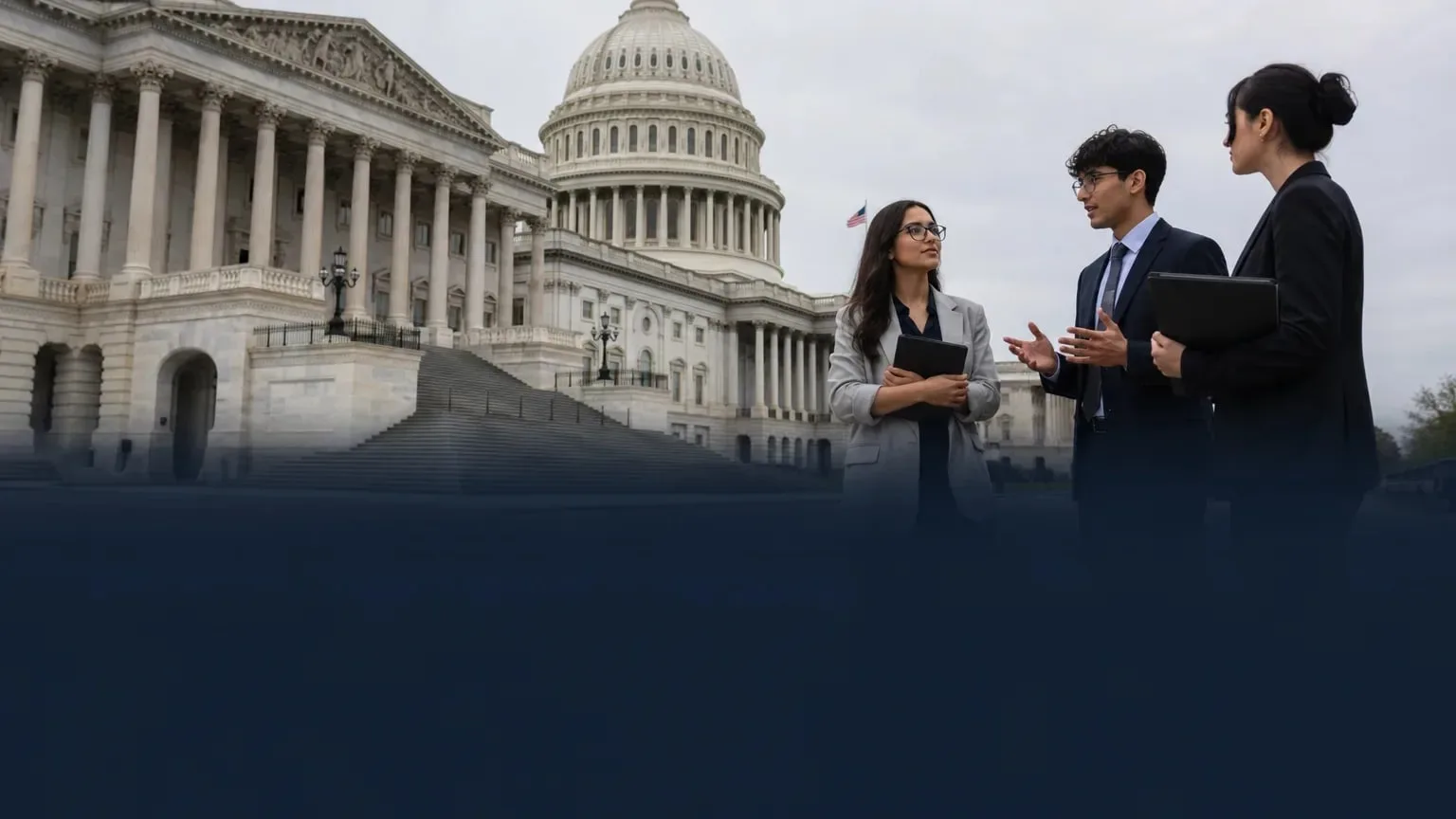
The Junior Summer Institute (JSI) 2027 in the USA is a fully funded, seven-week fellowship for aspiring public policy leaders, with placement at partner graduate schools and a deadline of November 6, 2026. The program is offered through the Public Policy and International Affairs Program and is designed to strengthen graduate-school preparation, public service skills, and professional networks.
Key facts
- JSI 2027 is offered in the USA through the Public Policy and International Affairs Program.
- The fellowship runs for seven weeks and is described as fully funded.
- Host schools named in the evidence include Berkeley, Carnegie Mellon, Harvard, Ford, and Princeton.
- Benefits listed include a stipend, funded coursework, free materials, on-campus housing, and mentoring.
- The application deadline is November 6, 2026.
What does JSI 2027 mean for students?
For undergraduates heading toward graduate study, JSI is a bridge between college and a policy-focused master’s path. The fellowship is aimed at students from a variety of backgrounds who want to explore public service and global leadership while building the academic skills needed for higher education. Fellows also become part of PPIA’s Alumni Network after completing the program.
The application requirements listed in the evidence show that students should be prepared to submit a résumé, unofficial transcripts from all colleges and universities attended, two letters of recommendation, a multipart personal statement, and financial information if requested. Applicants are also asked to complete essay-style questions about public service career goals and life experiences. International students enrolled at U.S.-based institutions are eligible only for the Princeton program.
- Deadline: November 6, 2026
- Program length: seven weeks
- Funding: stipend, coursework, textbooks, and housing
- Next step: complete the online application and upload the required documents
Who can apply to Junior Summer Institute 2027?
Undergraduate students who graduate in December 2027 or between May and August 2028 are listed as eligible. The fellowship materials also say applicants must be motivated to contribute to current perspectives and that financial status will be considered in the scholarship review process.
The evidence does not identify a single citizenship rule in the excerpted material, but it does note that applicants should check the official application for any citizenship or residency requirements. That makes the program open in principle to a broad pool, while still leaving some eligibility details to the official application form.
Where will the fellowship take place?
JSI 2027 will be hosted at top public policy graduate schools in the United States. The evidence names Berkeley, Carnegie Mellon, Harvard, Ford, and Princeton as host institutions. A second source also mentions the University of Michigan among the participating schools.
Because the sources identify multiple host universities, applicants should treat the program as a multi-campus fellowship rather than a single-site summer institute. The shared thread across the evidence is that the program is based at prominent U.S. public policy graduate schools and is intended to give fellows direct exposure to graduate-level study environments.
What support do fellows receive?
The fellowship package includes a stipend for the full duration of the program, fully funded summer coursework, free course materials and textbooks, on-campus accommodation, coaching, and career guidance from experienced mentors. After the summer program, fellows can also take part in the annual Public Service Expo to support networking and professional growth.
That combination of funding and career support is what makes JSI stand out for students who want policy training without taking on the usual costs of a summer academic program. It also gives participants access to organizations, graduate schools, and like-minded peers.
Frequently asked questions
How long is Junior Summer Institute 2027?
The program runs for seven weeks. It is described as a comprehensive graduate-school preparatory experience for students planning to pursue public policy or related fields.
What documents are needed for the application?
The listed documents include an updated résumé, unofficial transcripts from all colleges and universities attended, two letters of recommendation, a multipart personal statement, and financial documents such as financial aid award letters and a Student Aid Report, if applicable.
When is the application deadline?
The deadline listed in the evidence is November 6, 2026.


