
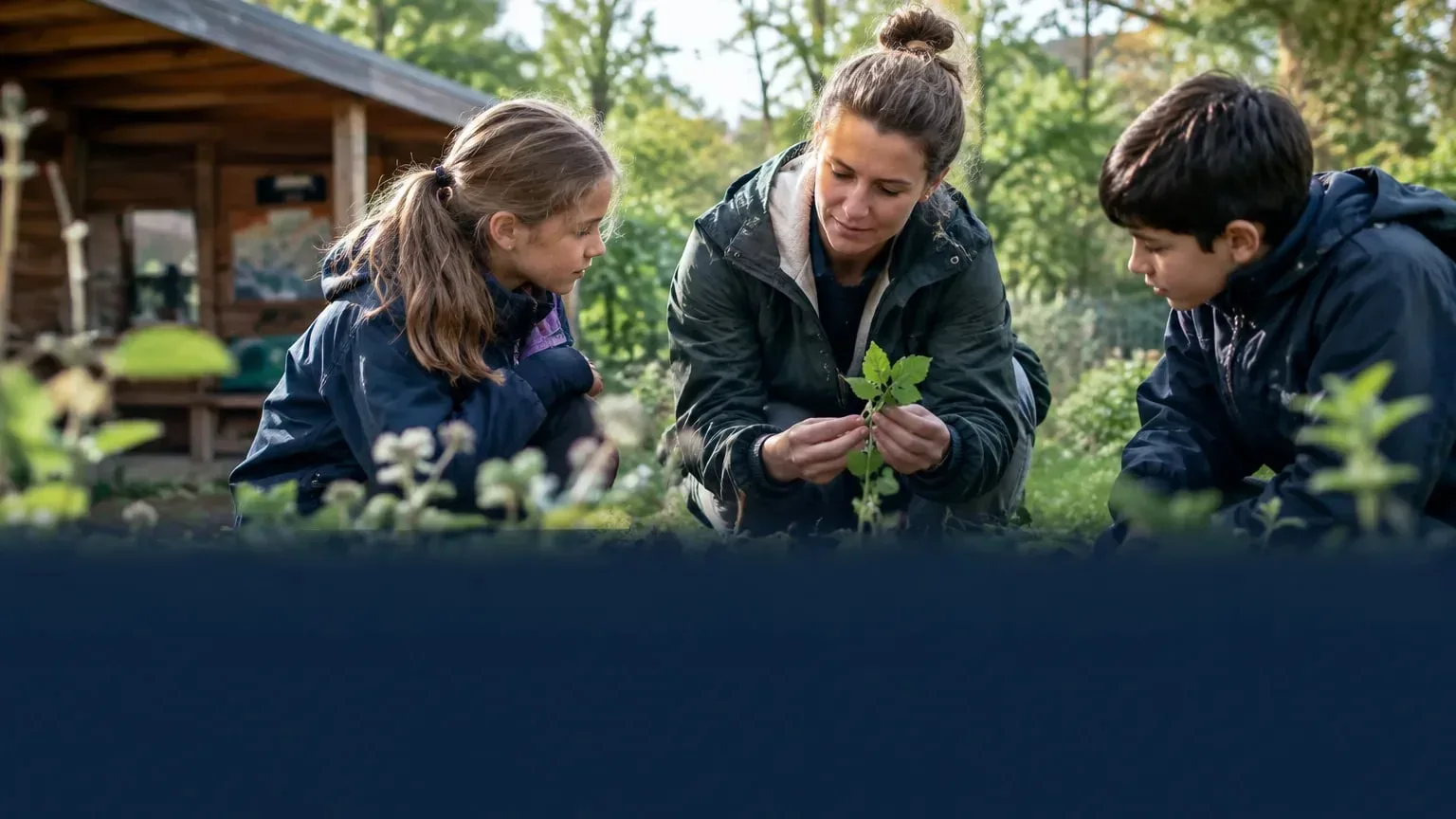
The Department for Education has updated its guidance for National Education Nature Park grant funding for the 2026 to 2027 academic year in England, alongside a revised list of eligible educational settings. The programme applies to nurseries, local-authority-maintained schools, free schools, academies, special schools and post-16 colleges, and matters to education providers because the guidance sets out both eligibility and what the funding can be used for.
Key facts
- The guidance covers National Education Nature Park funding for the 2026 to 2027 academic year in England.
- The Department for Education updated the funding guidance and the eligible settings list on 26 November 2026.
- Eligible settings listed on the page include nurseries, maintained schools, free schools, academies, special schools and post-16 colleges.
- The programme aims to embed nature-based learning into the curriculum and encourage children and young people to improve their educational setting for people and wildlife.
What changed in the latest update?
On 26 November 2026, the Department for Education said it had updated details of how the grant can be used in the 2026 to 2027 academic year funding criteria guidance and updated the list of eligible educational settings. Earlier updates on the same publication record show that the 2026 to 2027 guidance and eligibility list were added on 9 June 2026, and that the eligible settings list was updated again on 19 August 2026.
That means providers checking whether they can access the fund, or how they may spend it, need to work from the most recent 26 November 2026 version of the guidance and eligibility material attached to the publication page.
What this means for schools, colleges and learners
The update affects education providers in England that may be covered by the National Education Nature Park fund for the 2026 to 2027 academic year. The Department for Education says the guidance applies to nurseries, local-authority-maintained schools, free schools, academies, special schools and post-16 colleges.
For those settings, the practical issue is whether they appear on the eligible settings list and whether their planned activity fits the current funding criteria. The publication states that the guidance covers eligibility and what the fund can be used for, while the accompanying spreadsheet lists eligible educational settings.
- Area covered: England.
- Academic year covered: 2026 to 2027.
- Who may be affected: nurseries, maintained schools, free schools, academies, special schools and post-16 colleges.
- Next practical step: check the current funding criteria guidance and the updated eligible settings spreadsheet.
What is the National Education Nature Park programme for?
The programme aims to embed nature-based learning into the curriculum and to encourage children and young people to improve their educational setting for people and wildlife. The grant guidance sits within that wider programme and provides information for the 2026 to 2027 academic year fund.
The publication page also points readers to further information about the National Education Nature Park programme, including teaching resources and ways to get involved, as well as information on the grant and previous eligible settings and awarded allocations.
Who can get National Education Nature Park grant funding?
According to the Department for Education publication, the guidance applies to six types of educational setting in England: nurseries, local-authority-maintained schools, free schools, academies, special schools and post-16 colleges. The page also says the spreadsheet attached to the publication lists the eligible educational settings, so inclusion on that list is part of the eligibility picture for the 2026 to 2027 fund.
FAQ
Which education providers does the guidance apply to?
The Department for Education says the guidance applies to nurseries, local-authority-maintained schools, free schools, academies, special schools and post-16 colleges in England.
What was updated on 26 November 2026?
The publication record says the Department for Education updated details of how the grant can be used in the 2026 to 2027 funding criteria guidance and updated the list of eligible educational settings.


