
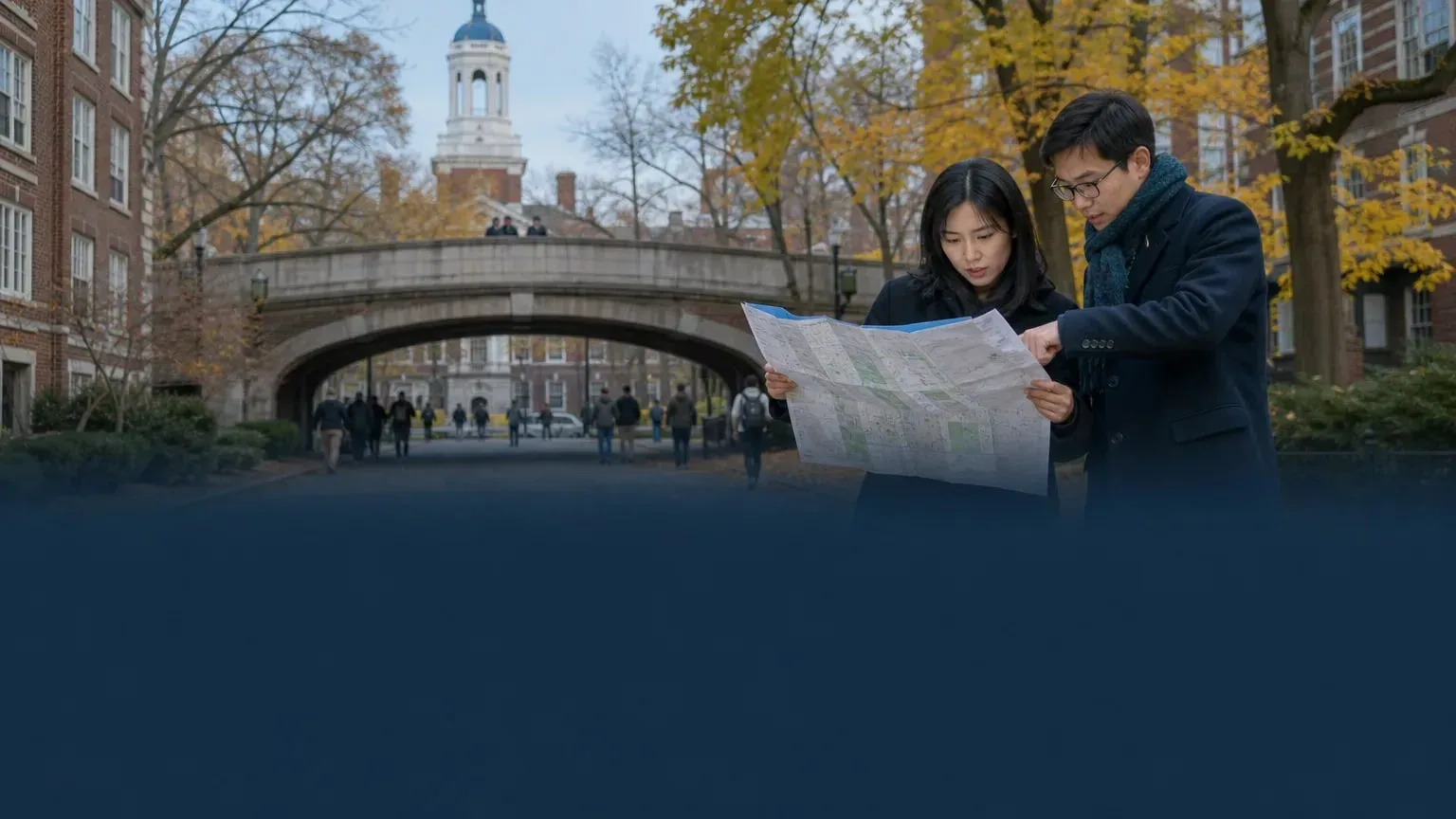
The Bloomberg Harvard Visiting Scholars Program is accepting applications from researchers whose work fits the Bloomberg Center for Cities’ mission at Harvard University. The 2026 program gives selected scholars one semester or one full academic year in residence, with protected time to advance research on urban problem-solving and city leadership. Applications are due October 28, 2026.
Key facts
- Applications opened on September 16, 2026.
- The deadline to apply is October 28, 2026.
- Selected scholars may spend one semester or one full academic year at the Bloomberg Center for Cities.
- The program focuses on research tied to urban problem-solving and city leadership.
- Applicants must hold a doctoral degree and a current faculty or research appointment.
What this means for researchers and universities
The opportunity is aimed at researchers, not students, and it is designed for scholars who already hold a Ph.D. or comparable terminal research degree. Applicants also need a current faculty or research appointment at a degree-granting university or a recognized research institution. That makes the program most relevant to academics and researchers who want dedicated time for a defined project on city leadership, public-sector performance, or related urban issues.
Selected scholars will be based at Harvard’s Bloomberg Center for Cities and will receive support intended to protect time for research. The program also includes housing near Harvard University, possible financial assistance for arrangements such as course buyout, and potential visa sponsorship for selected international scholars, subject to institutional policies and individual circumstances.
Participants are expected to contribute to the Center’s intellectual life by hosting one research seminar per semester, convening a student study group with twice-monthly meetings and monthly office hours, and organizing one event open to the broader Harvard community. Researchers considering the residency should be prepared to balance those activities with the central research project described in their application.
What does the program support?
The Visiting Scholars Program is built around research that can inform how cities solve practical problems and improve leadership. Areas of interest include mayoral leadership, high-performing staff and teams, organizational innovation, evidence-based policy solutions, data and artificial intelligence, and cross-sector collaboration. The Center says it is looking for work that contributes to scholarship and to the practice of urban governance.
Applicants can come from different disciplinary backgrounds and career stages, as long as their project aligns with the Center’s focus. The application requires a clear proposal describing the urban challenge, the research question or questions, the methodology, the significance for scholarship and practice, and the outputs the project could produce.
How does the residency work?
Selected scholars may choose a residency of one semester or one full academic year. During that time, they are expected to focus mainly on the project described in their application while also taking part in a limited number of structured activities at the Center.
The program’s structure is designed to give scholars dedicated time, access to an intellectual community, and practical support while they pursue research intended to advance urban problem-solving. Applicants may be invited to interview after submission, and successful candidates are formally appointed as Bloomberg Harvard Visiting Scholars.
What should applicants prepare before the deadline?
Applicants should define the urban problem clearly, explain the theory and methodology behind the study, and show why the project matters both to research and to city practice. They should also decide whether a semester-long or full-year residency better fits the scope of the work and their professional circumstances.
Because the deadline is October 28, 2026, prospective applicants need time to assemble the proposal and confirm that they meet the doctoral-degree and appointment requirements. The program launched on September 16, 2026, leaving a limited window for preparation before submissions close.
Frequently asked questions
Who can apply for the Bloomberg Harvard Visiting Scholars Program?
Researchers with a doctoral degree or comparable terminal research degree can apply if they also hold a current faculty or research appointment at a degree-granting university or recognized research institution. The program accepts applicants from different disciplinary backgrounds and career stages, provided their work aligns with the Bloomberg Center for Cities.
When is the application deadline?
The application deadline is October 28, 2026. Applications opened on September 16, 2026.


