
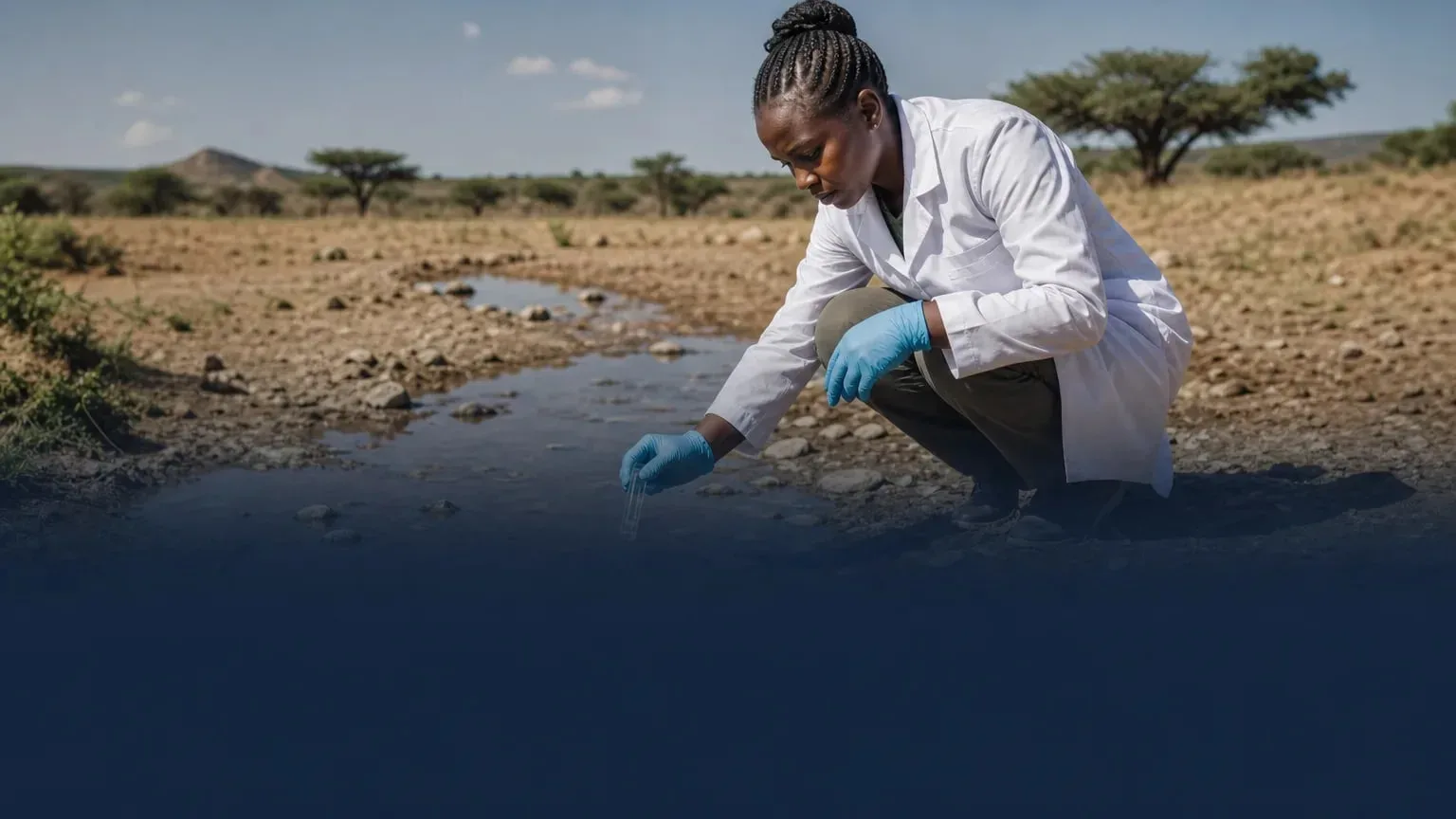
Doctoral researchers in sub-Saharan Africa can now apply for the AGNES Intra-Africa Mobility Grants 2026, which offer up to €3,000 for a short research stay in another sub-Saharan African country. The programme is meant to support research collaboration, scientific networking, and knowledge exchange, and the deadline is 16 October 2026 at 23:59 GMT.
Key facts
- The grants are open to eligible doctoral researchers from sub-Saharan Africa.
- Applicants must already be registered for a doctoral degree and have at least one thesis-related published article in a SCOPUS- or Web of Science-indexed journal.
- The mobility stay must take place at a host university or research institute in another sub-Saharan African country.
- Funding can reach €3,000 for a two-month stay, depending on the length of the research visit.
- Applications must be submitted in English by 16 October 2026 at 23:59 GMT.
What this means for doctoral students
The grant is designed for current doctoral candidates at universities or tertiary institutions in sub-Saharan Africa who can show that their research needs facilities, expertise, or resources available at a host institution in another sub-Saharan African country. It is not a general travel award: the proposed work must form part of the applicant’s doctoral research and be relevant to development in sub-Saharan Africa.
Applicants also need an identified scientific host before applying. The host and institution must agree in writing to the proposal and schedule, and the application must include a research proposal, CV, proof of registration, transcripts, publication evidence, two travel quotations, an estimated cost of living, and an invitation letter from the host.
- Maximum grant: €2,300 for one month, €2,650 for 1.5 months, or €3,000 for two months.
- Earliest start: 1 March 2027.
- Latest completion: 31 July 2027.
Who can apply?
The call is aimed at junior researchers pursuing doctoral degrees in sub-Saharan Africa. Eligible applicants must be nationals of a sub-Saharan African country, officially registered for a doctoral degree, and able to show at least one published article from their thesis work in a non-predatory journal indexed by SCOPUS or Web of Science.
Female candidates can apply for both the general grant and the special grant, but can receive only one award. Male candidates are eligible only for the general grant. The programme says there is no geographical quota within sub-Saharan Africa, although it specifically welcomes applications from under-represented countries listed in the call.
What expenses does the grant cover?
The award is intended to support travel, subsistence, research-related expenses, and, where applicable, host institution research costs. The maximum amount depends on the duration of the stay, and the call says the budget includes the host fee.
Applicants must submit two travel quotations for return travel between their country of residence and the host country, using land transport or an economy-class flight. They must also estimate living costs covering accommodation, meals, local transport, and health insurance. A valid health insurance policy is required for the stay.
How do applicants submit a complete application?
Applications must be made online using AGNES’s form and written in English. The call warns that incomplete applications or submissions that do not follow the guidelines will be automatically rejected.
Required documents include a short proposal of no more than five pages, the AGNES CV template, proof of doctoral registration, academic transcripts, a combined PDF of publications with SCOPUS or Web of Science links and first pages, travel quotations, a living-cost estimate, and a host invitation letter confirming a place to work and requesting the relevant host allowance.
Frequently asked questions
When is the deadline for AGNES Intra-Africa Mobility Grants 2026?
Applications must be submitted by 16 October 2026 at 23:59 GMT. The selection meeting is scheduled for December 2026, and selected research stays can begin from 1 March 2027.
How much funding can selected researchers receive?
The maximum grant is €2,300 for a one-month stay, €2,650 for a 1.5-month stay, and €3,000 for a two-month stay. The amount is meant to cover travel, subsistence, research-related expenses, and host institution research costs where applicable.


