
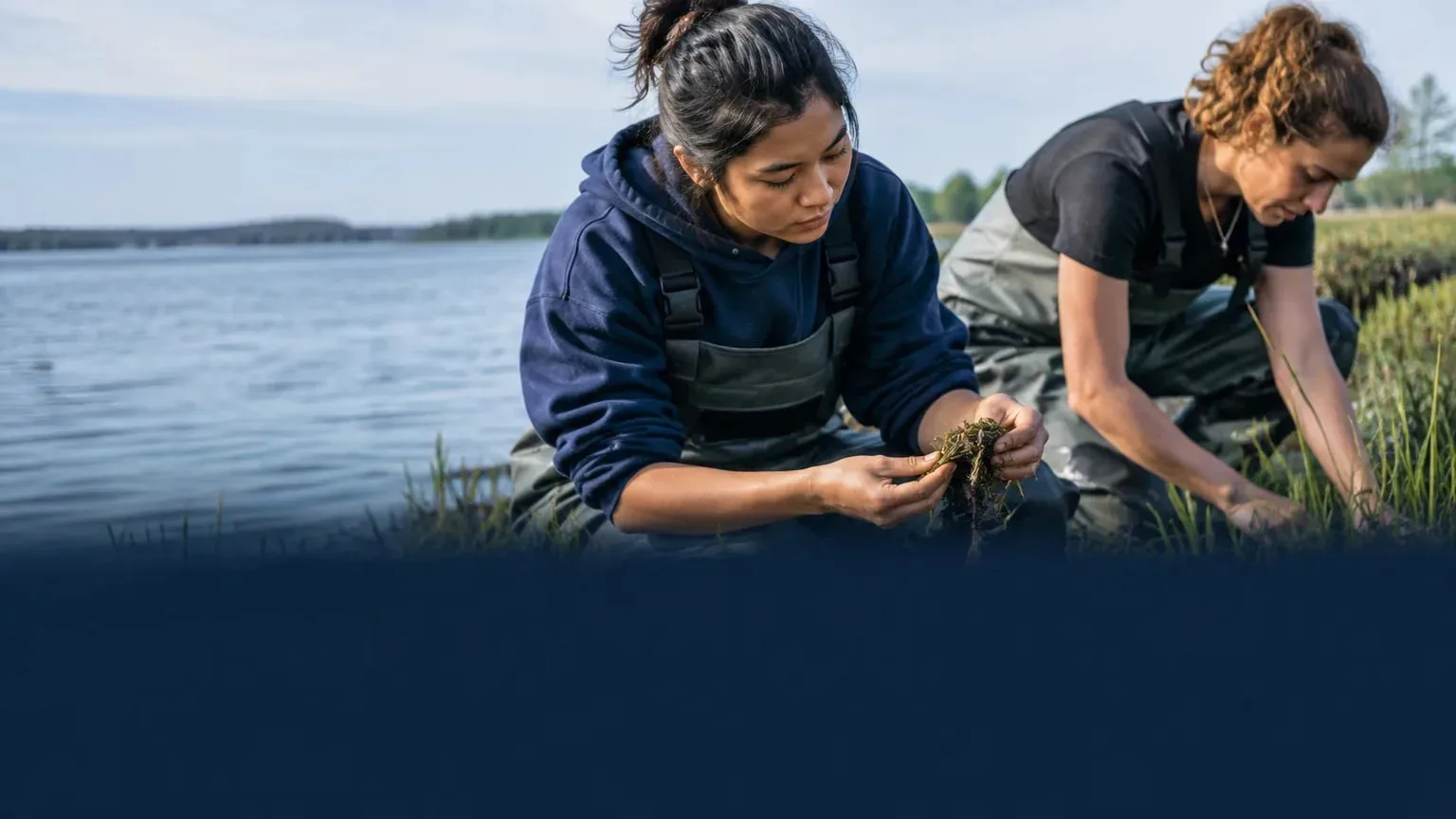
Yale’s Summer Undergraduate Research in the Environmental Sciences program is expanding research access for undergraduates from outside Yale by offering paid summer internships in environmental science. The program, run through Yale’s Institute for Biospheric Studies, gives about 11 rising juniors and seniors from U.S. and overseas four-year colleges eight weeks of mentored research in labs and in the field, with Yale College students not eligible. That matters for students seeking immersive research experience and for Yale, which says the program strengthens international scientific ties.
Key facts
- SURES provides about 11 paid eight-week summer internships for rising juniors and seniors from four-year colleges and universities in the United States and overseas.
- The program was created five years ago and is offered by Yale’s Institute for Biospheric Studies.
- Yale College students are not eligible for the internships.
- Since the program began, 54 undergraduates from schools in the United States and overseas have participated.
- Interns conduct research, analyze data, and present results under YIBS-affiliated faculty mentorship.
What is Yale’s SURES program?
SURES is a summer research program housed in Yale’s Institute for Biospheric Studies, a campus hub for environmental science. It offers paid internships in which undergraduates work under YIBS-affiliated faculty mentors on research projects, data analysis, and end-of-program presentations. The institute says the program was created to extend research training to undergraduates and to open opportunities that otherwise might not exist.
The program sits within a broader YIBS mission of supporting cross-disciplinary study of the biosphere. In addition to SURES, the institute supports postdoctoral researchers, visiting scholars, and research grants for Yale students and faculty. YIBS is marking its 35th anniversary this year.
How does the internship work in practice?
The internships are designed as intensive summer placements rather than part-time academic-year research. Students spend eight weeks on research and are exposed to both technical and professional aspects of scientific work, according to program director Martha Muñoz. That can include fieldwork, laboratory methods, research design, data analysis, and presenting findings at a symposium at the end of the program.
The work can vary widely by mentor and project. Yale says members of the 2022 cohort studied topics including lungless salamanders, new species of black basses, the lifeways of ancient peoples in Malawi, and the microbiomes of marine life. The range illustrates that the program’s environmental focus spans ecology, evolution, climate science, and related cross-disciplinary fields.
What this means for students and other applicants
For undergraduates interested in environmental science, the main practical point is that SURES is a paid summer program open to rising juniors and seniors from four-year colleges and universities in the United States and overseas, but not to Yale College students. The format is an eight-week internship with faculty mentorship, and the work includes conducting research, analyzing data, and presenting results.
The evidence also shows what students may gain from the structure. Participants described the program as immersive because it let them focus on research without the normal competing demands of classes and student activities. Interns worked in both lab and field settings, and some developed their own research questions and methods during the program.
-
Who is eligible: Rising juniors and seniors from four-year colleges and universities in the United States and overseas.
-
Who is excluded: Yale College students.
-
What is offered: About 11 paid internships each summer.
-
How long it lasts: Eight weeks.
-
What students do: Conduct research, analyze data, and present results with faculty mentorship.
For universities and research mentors, the program also serves as a recruitment and collaboration pipeline. Yale faculty and graduate researchers say bringing in students from different institutions and countries improves the scientific work by adding perspectives and helping build longer-term connections across the global research community.
From rain frogs to climate science: what students studied
Yale’s account of the program highlights how varied the projects can be. Piero Bello De Lillo, an undergraduate at the Universidad Autónoma de Santo Domingo, joined the lab of Martha Muñoz and conducted fieldwork on Pico Duarte in the Dominican Republic with Yale Ph.D. student Isabela Hernández-Rodríguez. They were collecting data on Eleutherodactylus, a genus of Caribbean rain frogs. Bello De Lillo also worked in the lab on molecular and evolutionary techniques including DNA extraction, sequencing, and phylogenetic analysis, and developed a research project involving Anolis chlorocyanus.
Another participant, Kylie Miller, joined the program as a rising senior at Cornell University in summer 2025. Working with Jennifer Marlon at the Yale School of the Environment and the Yale Center for Geospatial Solutions, she studied links between temperature extremes and drought and developed a project on the relationship between temperature anomalies and drought across seasons. Miller later went on to pursue a master’s in environmental science at Yale School of the Environment.
Why does Yale say the program matters?
Yale frames the program as beneficial both to participants and to the university’s research community. Eric Sargis, director of YIBS, said the program was created to widen access to undergraduate research opportunities and described student growth between orientation and the end-of-program symposium. Muñoz said undergraduates from different institutions and countries bring perspectives that improve the science itself.
That argument is reinforced in the field and lab examples Yale highlights. Bello De Lillo said the internship helped clarify the kind of scientist he wants to become and encouraged him to pursue graduate studies. Hernández-Rodríguez said working with students from different backgrounds enriches both their experience and the science they contribute to. Muñoz said those relationships also strengthen Yale’s ties to the international scientific community.
FAQ
Who can apply to Yale’s SURES program?
The program is for rising juniors and seniors from four-year colleges and universities in the United States and overseas. Yale College students are not eligible.
Is the SURES internship paid and how long does it last?
Yes. Yale says SURES offers paid summer internships that last eight weeks.
What do SURES interns do?
Interns conduct research, analyze data, and present results under the mentorship of Yale Institute for Biospheric Studies-affiliated faculty. Depending on the project, that can include laboratory work, fieldwork, and developing a research question.


