
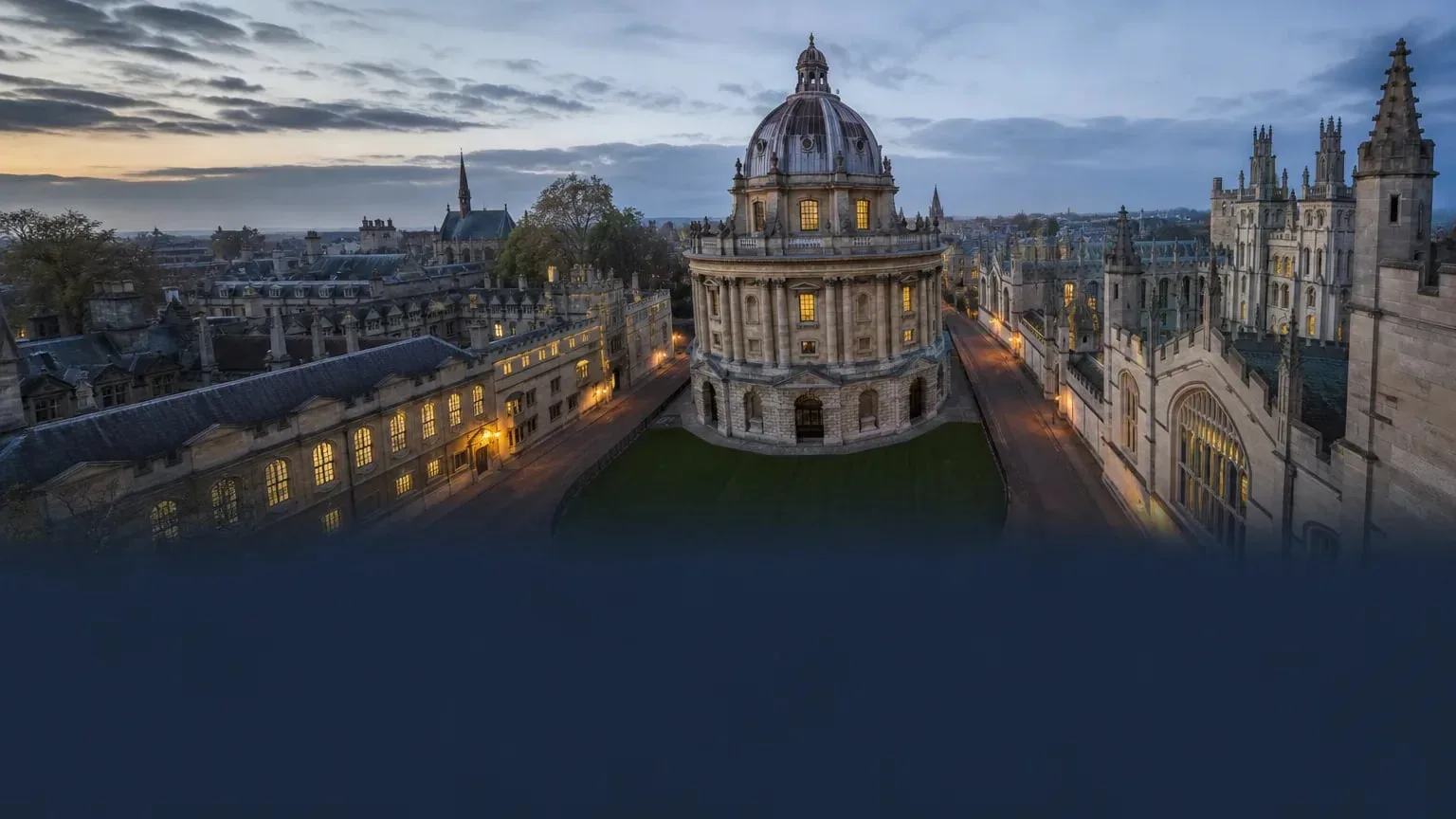
Times Higher Education’s World University Rankings 2027 put the University of Oxford first for a record 11th consecutive year, but the gap with the Massachusetts Institute of Technology has narrowed to just 0.1 points. The results, announced on 29 September 2026, also show Asian universities continuing to climb, with Tsinghua University overtaking ETH Zurich for 11th place and the National University of Singapore entering the top 15 for the first time.
Key facts
- Oxford remains No. 1 in the World University Rankings 2027, ahead of MIT by 0.1 points.
- Tsinghua University moved to 11th, becoming the highest-ranked Asian university.
- Three Asian universities are in the top 15 for the first time.
- The rankings include 2,297 universities from 118 countries and territories.
- France, the UK and the US each saw signs of pressure in some ranking metrics, while several Asian systems improved.
What does this mean for students and universities?
For students comparing global options, the 2027 list reinforces that the best-known universities in the UK and US still dominate the very top of the table, but it also shows that top-performing alternatives in Asia are gaining ground. That matters for applicants weighing reputation, international reach and location against cost, access and regional opportunity.
For universities, the rankings underline how much international staff, international students, co-authorship and research performance now shape outcomes. The article says Asian campuses are advancing after a brief pause last year, while many Western institutions are leaning on reputation as other measures weaken. That creates pressure on universities to protect research quality and funding rather than relying on brand alone.
- Oxford is first; MIT is second.
- Princeton and Stanford share third place.
- The University of Cambridge fell to fifth, while Harvard dropped to sixth.
- UCL returned to the top 20, and the London School of Economics moved back into the top 50.
How close is the race at the top?
The answer is extremely close. Oxford kept the top spot, but MIT’s overall score was only 0.1 points behind. Oxford did better on research productivity, international co-authorship and doctorate-staff ratio, while MIT scored higher on student-staff ratio, citation impact and research strength.
That tight margin matters because the report describes a broader shift: the long-standing order at the top of global academia looks less secure than it has in the past. The top 10 is still dominated by the UK and US, but leading Asian universities are now pushing deeper into the elite group.
Which universities and countries moved most?
Tsinghua’s rise to 11th means the highest-ranked Asian university now sits above the top institution in mainland Europe. Peking University held 13th, and NUS moved up two places to 15th. In the UK, UCL returned to joint 17th and the London School of Economics rose back to 47th.
The article also points to mixed regional trends. The UK has 25 universities in the top 200, one fewer than last year. The US has 53 in the top 200, down two. China now has 17 universities in the top 200, up from 13, and 71% of those improved their positions. Malaysia entered the top 200 for the first time.
Why are Asia’s universities rising?
Asia’s gains are tied in the article to stronger research scores, growing internationalisation and higher government investment in higher education systems. The report quotes academics arguing that sustained public funding is a major driver of performance, while Asia’s higher education systems are described as benefiting from annual increases in government support.
At the same time, the article says some Asian institutions still face limits in areas such as global co-authorship. In China’s case, the piece says international research ties are being reshaped by geopolitical tensions, research security concerns and export controls, even as domestic collaboration expands.
What does the ranking say about the West?
The rankings suggest that Western universities remain powerful, but not invulnerable. The UK and US still account for seven of the top 10 positions between them, yet both countries show declines in several other measures, including research quality-related metrics and internationalisation indicators.
France also saw setbacks at the top of the table, with its four highest-ranked universities each falling by about 10 places. Australia was more stable, retaining 10 universities in the top 200, while the University of Melbourne was its best performer at joint 34th.
Frequently asked questions
Who is ranked first in the World University Rankings 2027?
The University of Oxford is ranked first for the 11th year in a row. MIT is second, and the difference between the two universities is only 0.1 points.
How many universities are included in the 2027 rankings?
A total of 2,297 universities from 118 countries and territories appear in the 2027 rankings, up from 2,191 last year.


