
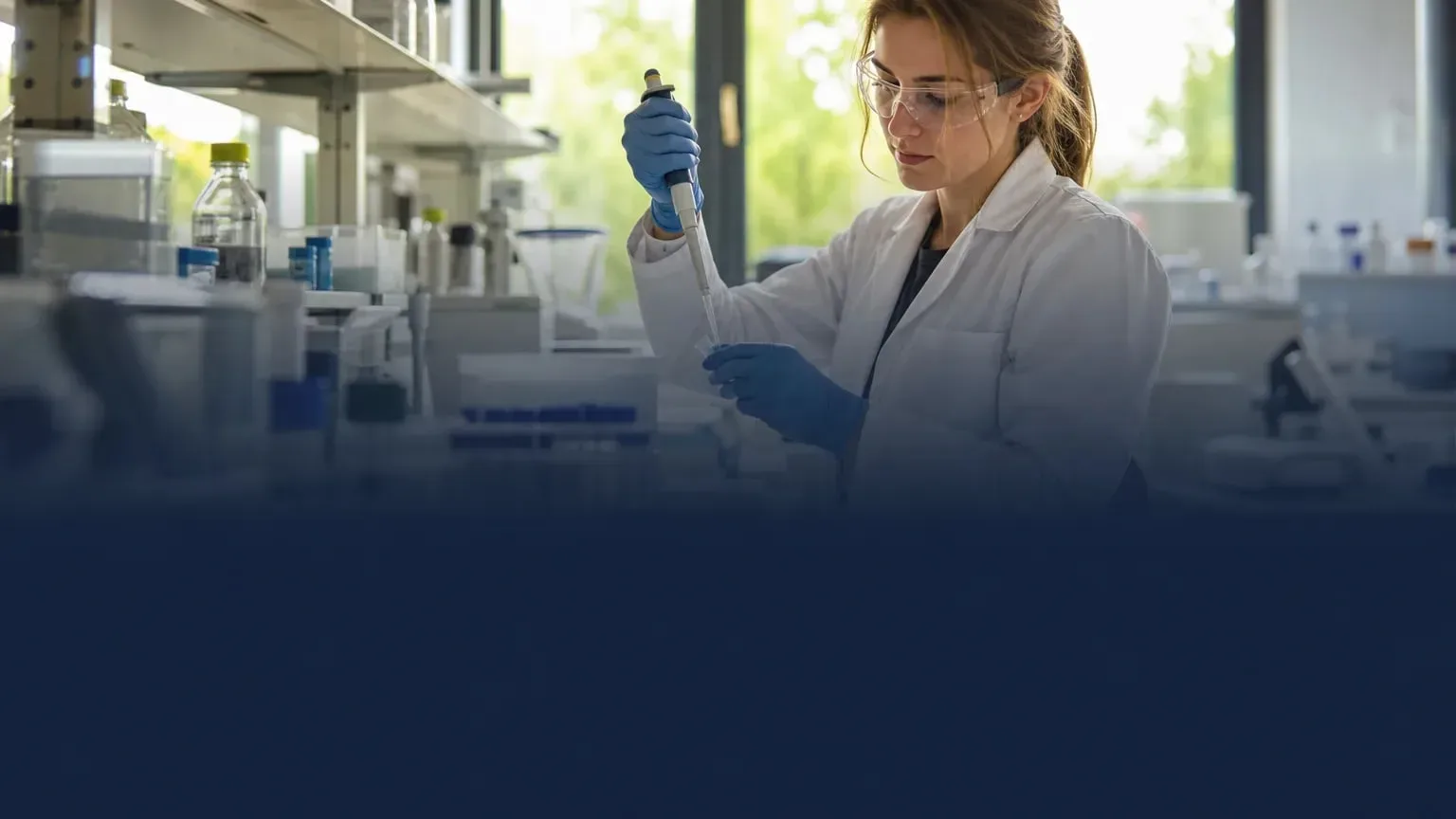
The Max Planck School Matter to Life is offering a 10-week, fully funded internship in Germany for outstanding undergraduate students who want research experience before beginning their academic careers. The program places interns in laboratories across several German cities, covers travel, accommodation and living costs, and does not require prior research experience or proof of English language ability.
Key facts
- The internship is part of the Matter to Life Undergraduate Research Opportunities program at the Max Planck School Matter to Life.
- It runs for 10 weeks and is intended for undergraduate students.
- Funding includes round-trip travel, accommodation and a monthly allowance for daily expenses.
- Students can choose a laboratory, and internships take place in labs in cities including Aachen, Bayreuth, Dortmund, Dresden, Düsseldorf, Erlangen, Göttingen, Heidelberg, Heilbronn, Jena, Magdeburg, Mainz, Marburg, Münster, Munich, Potsdam and Saarbrücken.
- The application deadline is 1 October 2026.
What does the internship mean for students?
The program is aimed at undergraduate students in physics, chemistry, biology, informatics, materials science, engineering and related sub-fields such as bioengineering. Applicants are expected to have completed at least two semesters of their degree and to show above-average academic performance, listed as a minimum 1.7 GPA in the supplied information.
For students selected into the internship, the practical value is clear: they can work on a specific research question in a lab aligned with their interests, receive training in the methods needed for the project, and gain experience in advanced scientific methods. The program also removes several common barriers by covering travel and accommodation and providing a monthly allowance.
- Who can apply: outstanding undergraduate students in the listed disciplines.
- Academic threshold: at least two completed semesters and a minimum 1.7 GPA.
- No prior research experience is required.
- No official English language proof or letters of recommendation are required.
- Deadline: 1 October 2026.
How does the application work?
Applicants apply through an online portal. The process includes creating an account, selecting the Matter to Life URO program, filling out the application form, uploading the required documents and submitting the completed form after review.
The required documents listed in the supplied information are a CV, a current transcript of records, the preferred Matter to Life laboratory for the internship and a one-page personal statement in Times New Roman, 12-point font with 1.5 line spacing.
Where will interns be placed?
Internships take place in laboratories within Germany. The cities named in the supplied evidence include Aachen, Bayreuth, Dortmund, Dresden, Düsseldorf, Erlangen, Göttingen, Heidelberg, Heilbronn, Jena, Magdeburg, Mainz, Marburg, Münster, Munich, Potsdam and Saarbrücken.
Interns work under the supervision of faculty members and on a research question connected to the focus area of the chosen lab. The program also allows applicants to indicate their preferred laboratory through the application process.
Why is this program being highlighted now?
Because the internship combines funded research training with a broad set of eligibility-friendly features, it is positioned as an accessible entry point into laboratory work for undergraduates. The combination of funding, flexible lab choice and no English test requirement makes it notable for students looking to build research experience in Europe.
Frequently asked questions
Is prior research experience required for the Max Planck MTL Internship 2027?
No. The supplied information says applicants do not need prior research experience and will receive training in the methods needed for their project.
What expenses does the internship cover?
The internship covers round-trip travel, accommodation and a monthly allowance to help with day-to-day expenses.
When is the application deadline?
The deadline listed in the supplied information is 1 October 2026.


