
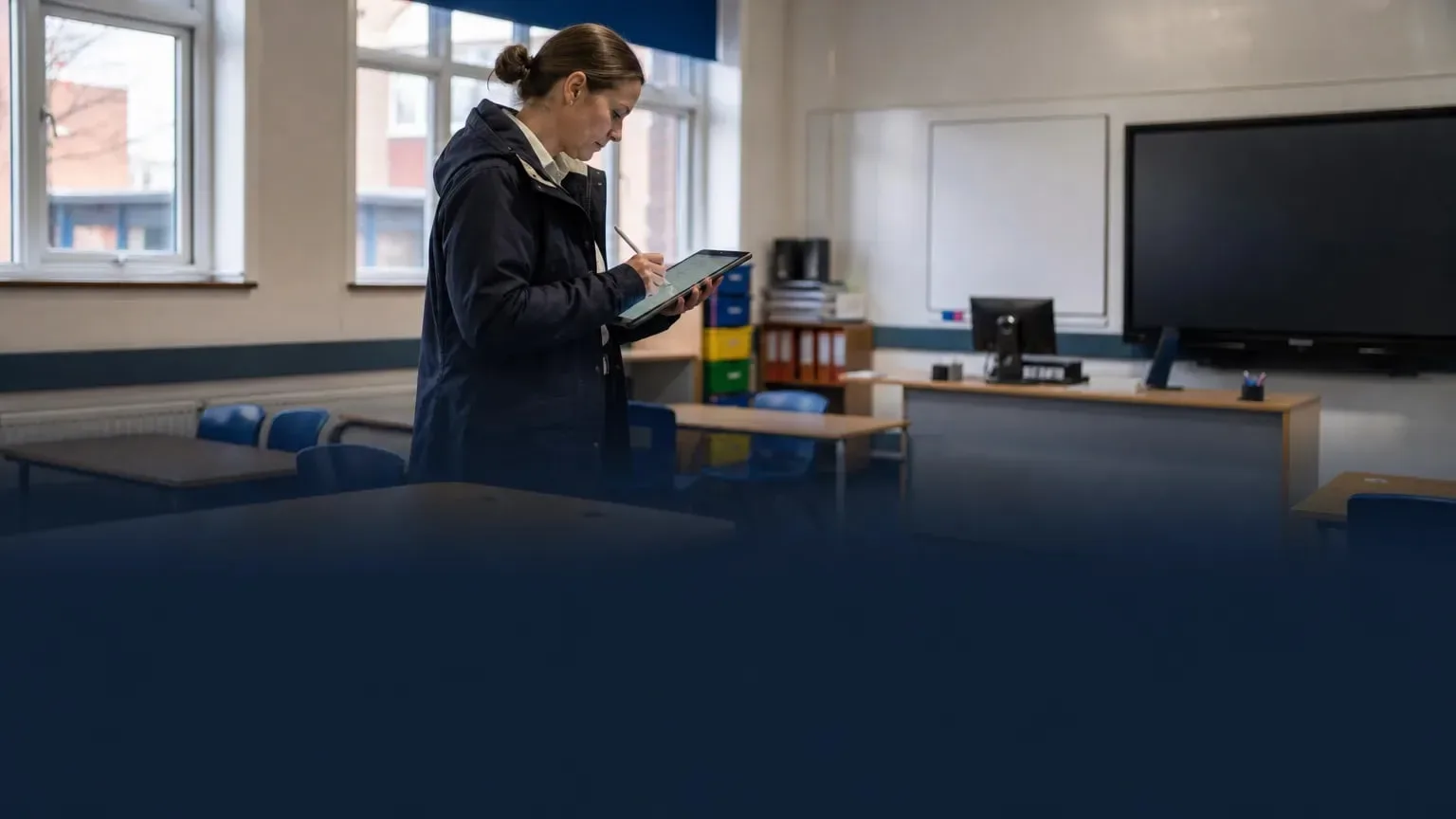
The Department for Education has set out a net capacity assessment programme for government-funded primary schools in England, with Valuation Office representatives due to visit schools between September 2025 and March 2029. The visits are intended to produce up-to-date pupil capacity information that can be used in admissions, appeals and planning.
Key facts
- The programme applies to government-funded primary schools in England.
- Valuation Office representatives will measure rooms and record room types during school visits.
- NCA reports will be shared with schools, local authorities, dioceses and multi-academy trusts.
- The Department for Education says the programme supports capacity checks, space planning and responses to policies such as breakfast clubs and additional childcare places.
What does the programme mean for primary schools and local planning?
For primary schools, the main practical effect is a visit from Valuation Office representatives who will collect information about rooms and the way school spaces are used. That data will feed into the NCA tool and methodology, which the Department for Education says will calculate how many pupils a school can accommodate.
The department says the resulting reports will support admissions and appeals by providing independent verification of capacity. They may also help schools and local authorities identify spare capacity where demand is high, use space more effectively and plan for changes linked to new policies and developments.
- Who is affected: government-funded primary schools in England.
- When: school site visits are scheduled between September 2025 and March 2029.
- What is shared: NCA reports for schools, local authorities, dioceses and multi-academy trusts.
- What to do: schools can use the tranche list to find approximate visit dates and review schedule changes published in October and March each year.
Questions and answers
When will primary school site visits happen?
Valuation Office representatives are due to visit primary schools in England between September 2025 and March 2029. The Department for Education says the tranche list gives approximate visit dates, while the exact date within each quarterly tranche is agreed between the Valuation Office and the school.
What information will the visits collect?
Representatives will measure rooms, record room types and use the NCA tool and methodology to calculate the number of pupils a school can accommodate, based on the size and use of available spaces.
How the capacity assessment works
The guidance says the NCA programme is designed to ensure that accurate and up-to-date information on pupil capacity is available for government-funded primary schools in England from September 2025. The work builds on earlier NCA programmes for mainstream secondary schools and special schools.
DfE says it has also published the NCA tool and guidelines on the area of school buildings and grounds, along with the number of pupil places available under design guidance building bulletins. Further guidance is available on how to read NCA reports for mainstream primary schools.
Why the programme matters for school places
The department says the programme can identify spare capacity where demand for places is high and can help with more effective use of space and curriculum planning. It also says the reports provide independent verification of capacity for admissions and appeals.
In addition, the programme is meant to give government and school leaders more accurate information when responding to policy changes and developments such as breakfast clubs and additional childcare places.


