
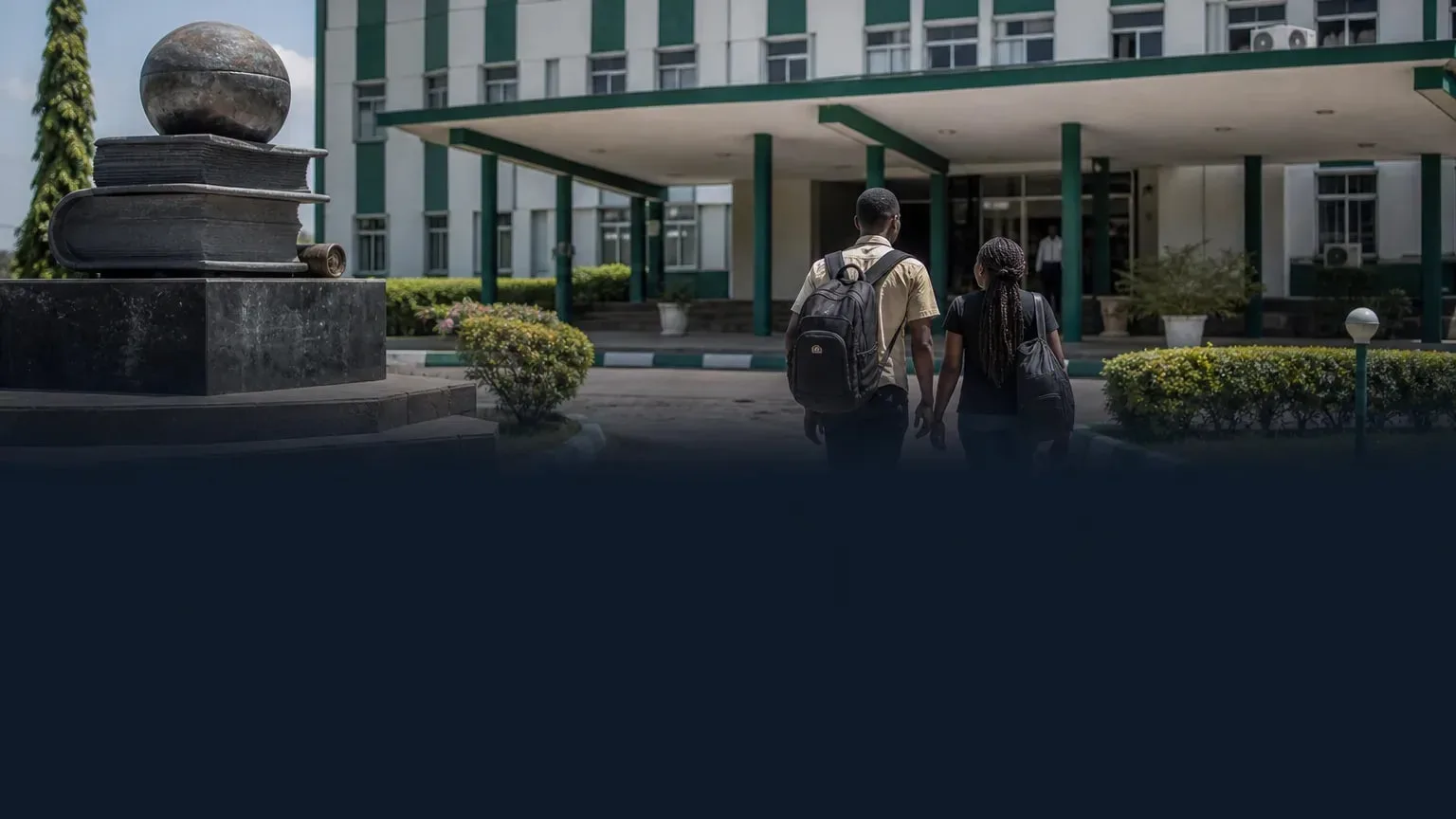
The Federal Ministry of Education in Nigeria has outlined its role as the country’s apex education authority, saying it is responsible for designing, coordinating and monitoring policy across the full system, from early childhood to tertiary and vocational learning. The ministry says its focus is access, equity, quality and relevance, with reforms aimed at making education a stronger driver of national development and global competitiveness.
Key facts
- The ministry says it is Nigeria’s primary institution for education policy across all levels.
- Its stated mandate covers foundational, basic, tertiary and vocational education.
- Its policy framework includes the National Policy on Education, the Strategic Plan for the Education Sector (2024-2027), the Education Act (1996), the TVET Policy and the Inclusive Education Policy.
- Among the interventions listed are an automated admissions system for Federal Unity Colleges and a national curriculum review.
- The ministry says it oversees a broad network of institutions, including Federal Unity Colleges, federal universities, polytechnics and colleges of education.
What does this mean for students and applicants?
The ministry’s update matters most for students, applicants and schools because it signals how admissions, curriculum and system-wide policy are being managed at the national level. One named intervention is an automated admissions system for Federal Unity Colleges, which the ministry says is designed to ensure fair and transparent placement of students into those schools.
For families and school-leavers, that means placement into the 110 Federal Unity Colleges sits within a centralised federal process rather than an ad hoc one. The ministry also points to a national curriculum review and an entrepreneurship, innovation and business incubation certification programme, suggesting continued changes to what students study and how education connects to skills development.
- Federal Unity Colleges are listed as the main admissions-related institution in the ministry’s update.
- The ministry says its broader mandate extends across federal universities, polytechnics and colleges of education.
- Its policy framework includes both access and inclusion measures, alongside technical and vocational education.
How does the ministry describe its mandate?
The ministry says it exists to design, implement and monitor education policy nationwide. It describes its work as more than administration, saying it is building a system that equips Nigerians with knowledge, skills and values. Its vision is to build a globally competitive nation through an innovative, inclusive and lifelong learning system that produces ethical, creative and productive citizens.
Its mission statement says education should foster the development of all Nigerian citizens to their full potential in support of a strong, democratic, egalitarian and prosperous nation. The statement frames education as a national development tool as well as a social policy function.
What institutions fall under its oversight?
The ministry lists a wide institutional network under its policy direction. That network includes 110 Federal Unity Colleges, 147 federal universities, 219 federal polytechnics and 152 colleges of education, along with federal technical colleges and 22 regulatory and service agencies.
It also names bodies such as the Universal Basic Education Commission, the National Universities Commission and the National Board for Technical Education. The ministry says these institutions form part of a coordinated system intended to deliver education across Nigeria.
What reforms and programmes are being highlighted?
The ministry’s interventions page highlights several programmes it says are being carried out nationwide. These include the automated admissions system, the campus mobility initiative, the Entrepreneurship, Innovation & Business Incubation Certification programme and a national curriculum review.
Its leadership section also links current reforms to the minister, Dr Maruf Tunji Alausa, who is described by the ministry as leading efforts to transform the education system. The page also names Prof. Suwaiba Said Ahmad as Minister of State for Education and Dr. (Mrs.) Olatunji-David Olubanke Folake as director overseeing the Office of the Permanent Secretary.
Frequently asked questions
What is the Federal Ministry of Education responsible for?
The ministry says it is responsible for designing, implementing and monitoring education policy across Nigeria, covering early childhood, basic, tertiary and vocational education. It presents itself as the country’s primary education-policy institution and says its work includes access, equity, quality and relevance.
Which policies guide the ministry’s work?
The ministry lists the National Policy on Education, the Strategic Plan for the Education Sector (2024-2027), the Education Act (1996), the TVET Policy and the Inclusive Education Policy as part of its policy framework.


