
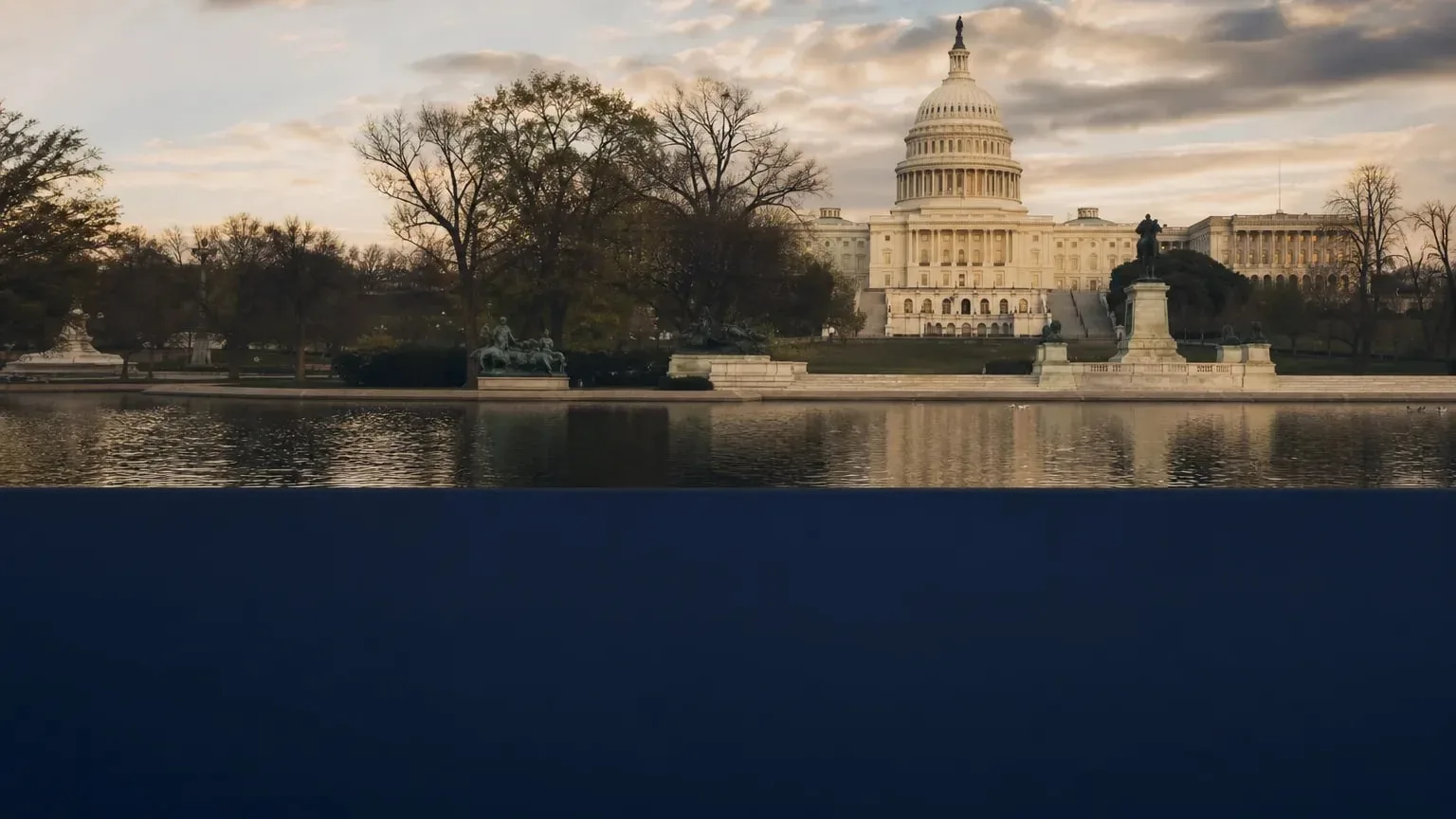
Applications are open for the Winter 2027 Conservative AI Policy Fellowship, an eight-week, part-time program in Washington, DC, for policy professionals who want to build practical knowledge of artificial intelligence and the policy debates around emerging technology. The fellowship runs from January 19 to March 12, is held at the Foundation for American Innovation office on Capitol Hill, and is described as fully funded with a $1,500 stipend for eligible fellows.
Key facts
- The fellowship is organized by the Foundation for American Innovation.
- The Winter 2027 cohort takes place in Washington, DC, with weekday sessions at the FAI office on Capitol Hill.
- The program lasts eight weeks and is part-time, with a typical weekly commitment of about 2–3 hours.
- Applications are currently open and close on October 30, 2026.
- The fellowship is described as fully funded and includes a $1,500 stipend for fellows.
What does this mean for applicants?
The fellowship is aimed at policy professionals, including congressional staff, executive branch officials, policy researchers, think tank staff, and technology professionals moving into AI policy. It also welcomes exceptional early-career applicants who show strong judgment, intellectual curiosity, and a serious interest in the field.
Applicants do not need technical AI experience. Instead, the program emphasizes AI policy literacy, weekly discussions with technologists and policy experts, and a required weekend retreat running from Friday evening through Sunday afternoon.
- Deadline: October 30, 2026
- Dates: January 19 to March 12
- Location: Washington, DC
- Format: Part-time, in person
- Funding: Fully funded, with a $1,500 stipend
Who is the fellowship designed for?
The program is built for people whose work intersects with artificial intelligence, technology policy, national security, economic policy, energy policy, labor and markets, government policy, and public policy research. It is also relevant for applicants who want to understand how AI may affect American economic, technological, national-security, labor, energy, and societal policy.
According to the program description, fellows do not need to be engineers, machine-learning researchers, or programmers. The fellowship is instead structured around policy questions, reading, discussion, workshops, collaborative projects, and a short policy memo or project.
What is covered during the eight weeks?
The curriculum covers AI fundamentals from a policy perspective, national security and defense, energy and infrastructure, reindustrialization, semiconductor chips, export controls, technological competition with China, labor-market effects, economic forecasts, and AI’s impact on children and families.
Fellows also participate in weekly sessions, collaborate on a policy project with mentor guidance, and present an overview of their work during the second half of the fellowship.
How much time do fellows need to commit?
The fellowship is designed as a part-time program, with a typical weekly commitment of about 2–3 hours. That includes a 90-minute lunchtime or evening session, 30–60 minutes of reading or preparation, and periodic work on a short policy memo or project.
Attendance at the regular sessions is required, and the weekend retreat is mandatory. Because the program is based in Washington, DC, applicants also need to be able to attend in person.
Can government employees participate?
Yes. The fellowship says government employees have participated in previous cohorts, but they should check with their organization’s ethics office before accepting an offer. Acceptance of the stipend, meals, retreat expenses, or other benefits may be subject to applicable government ethics rules.
The program says applicants who are government employees are responsible for securing any required approval from their agency or organization before accepting the fellowship.


