
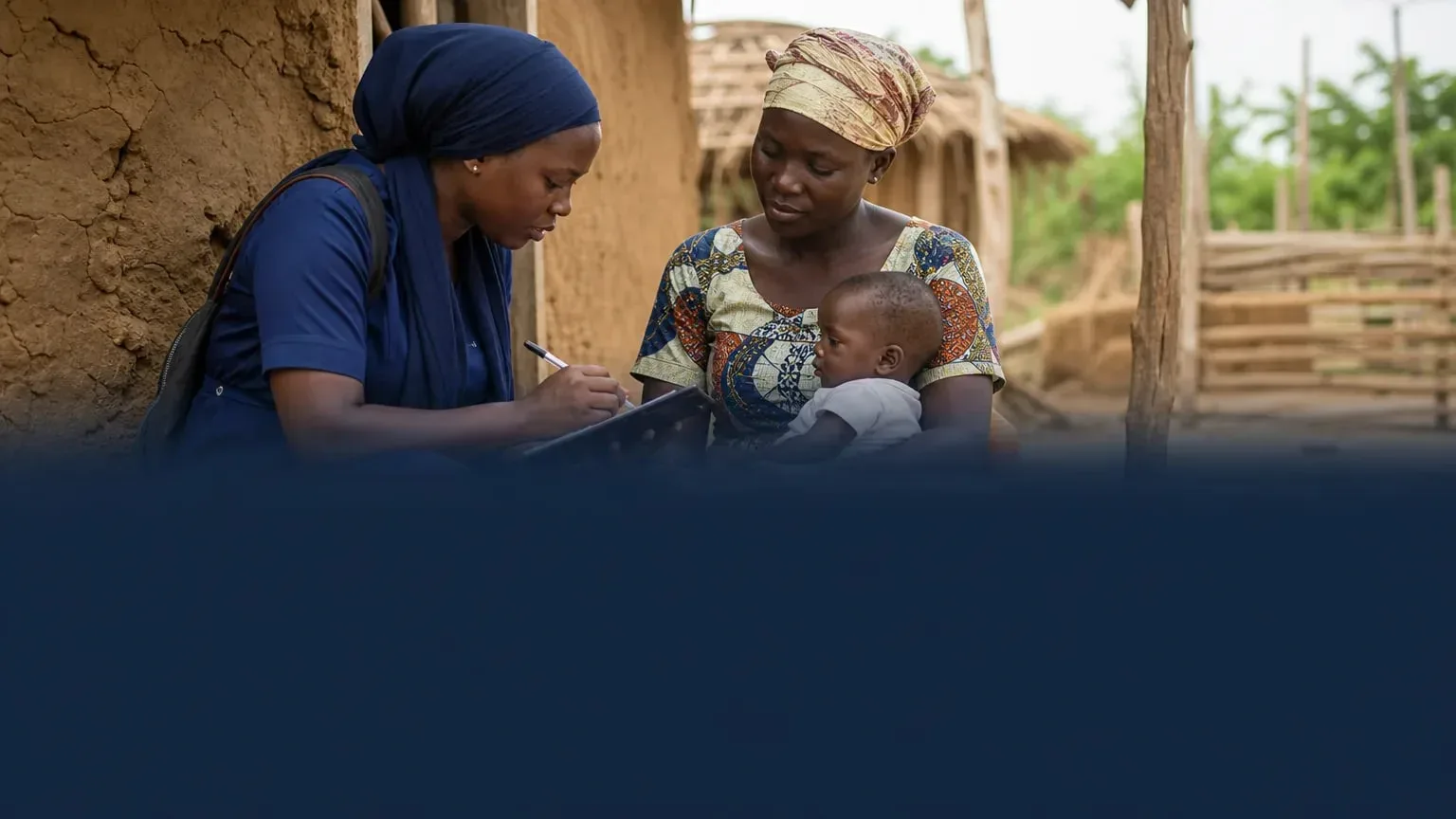
The DIV Fund is offering 2026 grants for organizations that are developing, testing and scaling innovations aimed at improving the lives of people living in poverty in low- and middle-income countries. Depending on the stage of the project, awards can reach US$200,000 for pilot work, US$500,000 for testing and positioning for scale, or US$1.5 million for transition to scale.
Key facts
- The fund uses a tiered model with three stages: piloting, testing and positioning for scale, and transitioning to scale.
- Stage 1 grants can provide up to US$200,000, while Stage 2 grants can provide up to US$500,000, with exceptional Stage 2 awards of up to US$750,000.
- Stage 3 grants can reach US$1.5 million for innovations ready to move toward widespread implementation.
- Eligible applicants include nonprofits, social enterprises, universities, research institutions, businesses, partnerships and technical assistance providers supporting government innovation.
- Individuals are not eligible to apply directly.
What does this mean for students, researchers and universities?
Universities and research institutions can apply if they are working on solutions that address development challenges in low- and middle-income countries. The fund is open to innovations across sectors, but proposals must show credible evidence, cost-effectiveness and a pathway to durable scale. For later-stage awards, applicants may also need rigorous causal evidence or a validated plan to generate it.
For researchers and university teams, the practical question is not only whether an innovation works in a pilot, but whether it can be used by many more people over time. The fund says Stage 1 projects should already be beyond the prototype stage, while Stage 2 and Stage 3 applications should show stronger evidence, partner relationships, financing plans and implementation readiness.
- Stage 1: pilot testing and early evidence generation, up to US$200,000.
- Stage 2: rigorous testing or market validation, up to US$500,000, or up to US$750,000 in exceptional cases.
- Stage 3: scaling and adaptation for wider implementation, up to US$1.5 million.
What is the DIV Fund looking for?
The fund evaluates applications around three core principles: evidence of impact, cost-effectiveness and potential for durable scale. It prioritizes proposals according to expected social return and gives greater weight to improvements expected to benefit people with lower incomes.
Applicants are expected to show a credible theory of change and explain how the innovation could improve outcomes such as health, earnings or academic achievement. The fund also distinguishes between correlation and causation, especially at later stages where stronger evidence is expected.
Who can apply?
The DIV Fund accepts applications from nonprofits, social enterprises, universities, research institutions, technical assistance providers supporting government innovation, businesses and partnerships involving multiple organizations. Individuals cannot apply directly.
Eligibility is linked to the organization type and to work addressing challenges in low- and middle-income countries as classified by the World Bank, rather than to race, ethnicity, nationality or continent.
How do the funding stages differ?
Stage 1 is for early-stage innovations ready for real-world testing. The fund says these projects should already be past the prototype stage and may involve hundreds or thousands of people. Applicants should be able to show demand, willingness to pay, user testing, market testing and a plan to collect and analyze data.
Stage 2 is for innovations that have already had successful pilot testing and are ready for more rigorous evaluation or market validation. Stage 3 is for projects that already have strong evidence or market viability and are ready to address the operational challenges of widescale implementation.
What does the fund mean by scale?
The DIV Fund generally defines scale as improving the lives of at least one million people over ten years. It says particularly compelling innovations may still qualify even if they serve somewhat fewer people, as long as the benefits are exceptionally large.
Applicants are expected to explain who could adopt the innovation, how it would be financed, who would implement it and how it could continue growing without indefinite dependence on DIV Fund support.
FAQ: Who should consider applying for DIV Fund grants?
Can universities and research institutions apply?
Yes. Universities and research institutions are among the eligible applicant types listed by the fund, alongside nonprofits, social enterprises, businesses and partnerships.
Can individuals apply on their own?
No. The fund says it is unable to support individuals, so applications must come from eligible organizations or partnerships.


