
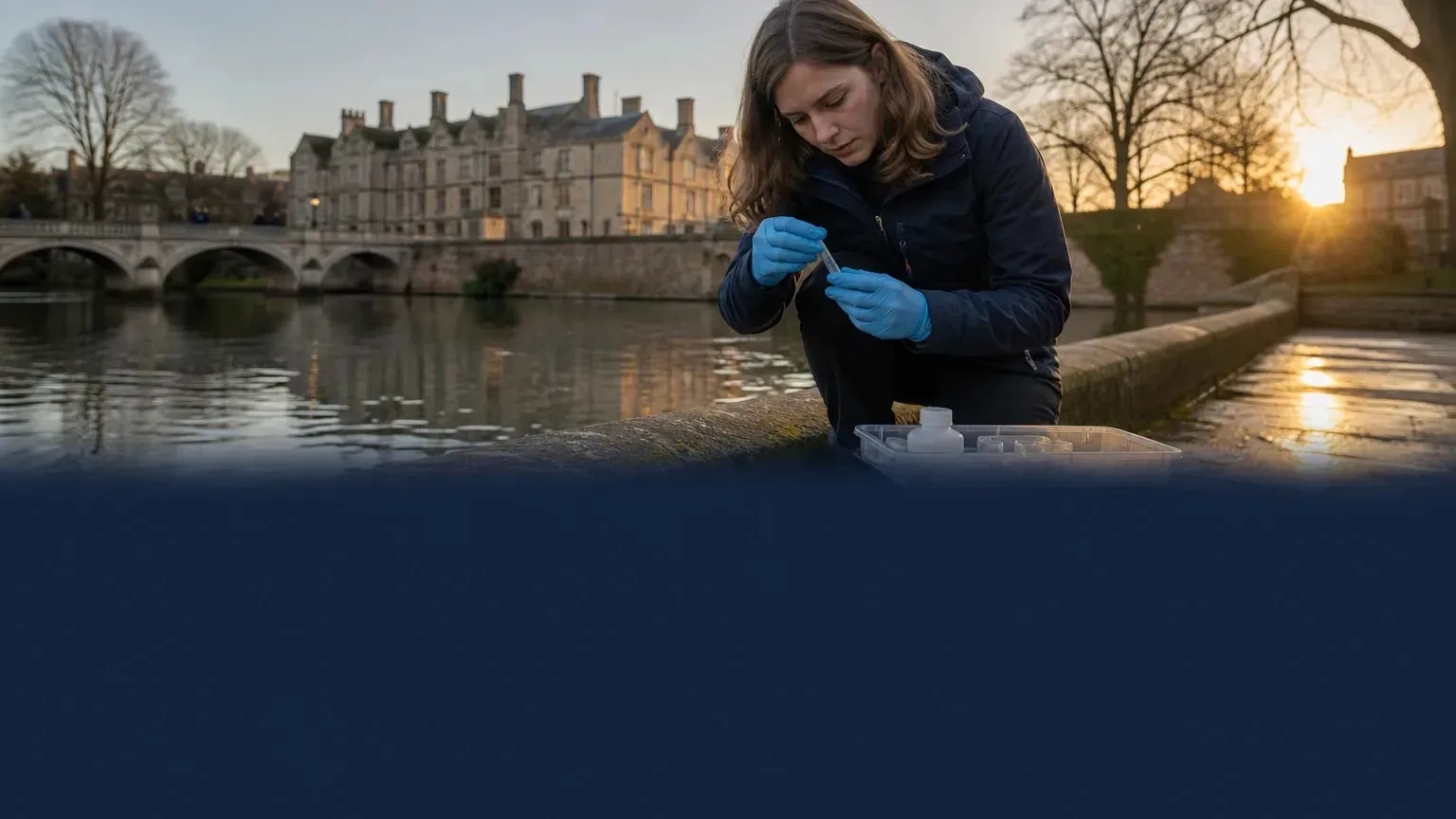
University of Cambridge researchers and students have won recognition for climate and nature projects that aim to change policy, improve livelihoods and widen public engagement. The 2026 Cambridge Awards for Research Impact and Engagement highlighted work in Ecuador, India, Nepal, sub-Saharan Africa, South Asia and the UK, with winning projects ranging from tourism planning and energy transition policy to AI conversations with museum specimens and early warning systems for wheat disease.
Key facts
- The awards recognise ambitious engagement and impact plans with potential economic, social and cultural effects.
- 10 winners presented their projects at the Cambridge Climate and Nature Showcase in June.
- Winning projects included climate policy, crop disease forecasting, plastic waste recycling and museum outreach.
- Applications for the 2026 Impact Awards will open later this year.
What does this mean for students and researchers?
The awards show the kinds of work Cambridge is rewarding in climate and nature research: collaboration, public engagement and practical impact. For students and early career researchers, that includes projects with communities, policymakers, museums, farmers and local authorities, not just academic publications.
Several winners were early career researchers or students. Chloe King, a PhD student in Geography, was recognised for tourism strategy work in the Galápagos Islands, while Dr Jacob Smith and Dr Tamas Mona were runner-up winners for forecasting major wheat diseases in sub-Saharan Africa and South Asia. The next opportunity comes when applications for the 2026 Impact Awards open later this year.
- Ecuador: a tourism strategy in the Galápagos Islands that includes regenerative and conservation principles.
- India: a just energy transition project that has already led to an invitation to help co-develop a policy in Madhya Pradesh.
- Nepal: a plastic-waste initiative that created three start-ups and five plastic hubs.
FAQ
What kinds of projects were recognised?
The awards recognised projects that combined research with engagement and impact, including climate policy, tourism governance, plastic waste reduction, museum interpretation, youth employment in the green economy and crop disease forecasting.
When will the next Impact Awards open?
Applications for the 2026 Impact Awards will open later this year.
Who won the climate and nature awards?
Winners included Chloe King for sustainable tourism work in the Galápagos Islands, Dr Shashi Ratnaker Singh for just energy transition research in India, Dr Kamiar Mohaddes for work on the economic costs of climate change, Dr Curie Park for the Plastic to Ghar initiative in Nepal, Jack Ashby for AI-powered specimen conversations at the University Museum of Zoology, Dr Garima Sahai for green jobs research in Africa, Dr Jacob Smith and Dr Tamas Mona for wheat disease forecasting, Professor Ellen Quigley for corporate climate indices, Dr Mayumi Sato for work with environmental defenders, and a team behind the Botanic Garden belonging project.
Why do these awards matter?
The projects show how Cambridge is linking research to practical outcomes across multiple countries and sectors. Some work is already influencing policy, while other projects are changing how people experience research, from local communities and students to museum visitors and farmers.


